Last weekend, with some free time on my hands, I hopped on a Cercanías train from Madrid’s Atocha station and, just over half an hour later, found myself in a place called Alcalá de Henares. I had only known it as the hometown of Cervantes, the author of Don Quixote, and expected a typical small town centered around a famous author’s house. To my surprise, I stumbled upon a hidden gem of a university—the University of Alcalá.
Before I went, a friend casually mentioned a ‘Colombian university of architecture,’ and I assumed it had some connection to the South American country. Once I arrived, I realized it was a beautiful misunderstanding. What people were actually referring to is the university’s core building: the Colegio de San Ildefonso. The word ‘Colegio’ here, often discussed among those considering Spanish universities in Colombia, means ‘College,’ not the country ‘Colombia’! That said, this ornate and intricate Spanish Plateresque style does echo in many colonial-era churches and important buildings across Latin America. So, in that sense, I guess you could say there’s a bit of a spiritual connection to the idea of Spanish-Colombian universities, haha.
A Dialogue with Time: The Awe-Inspiring Plateresque Style
What struck me the most was the college’s main façade. The wall is nothing short of a meticulously carved masterpiece! The guide explained it’s a prime example of the Plateresque style, unique to the Spanish Renaissance, characterized by its incredibly ornate and intricate decorations, resembling the delicate work of a silversmith (platero). The façade is covered with sculptures of coats of arms, mythological figures, and biblical scenes. When the sun hits it just right, the play of light and shadow is magnificent. I stared at this wall for nearly half an hour and still felt like I couldn’t take it all in. I highly recommend renting an audio guide or joining a guided tour; otherwise, you’ll miss many of the details and the stories behind them.
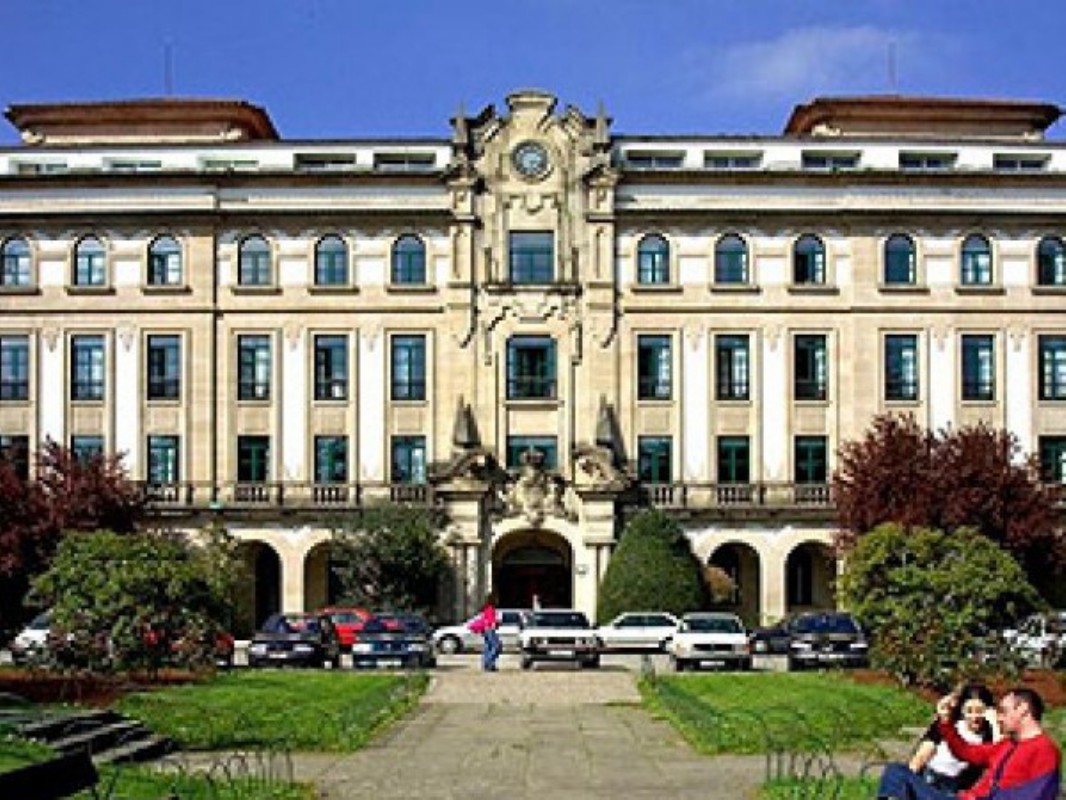
Beyond the magnificent façade, the university’s interior holds its own wonders. The three beautiful courtyards each have their own distinct character, especially the ‘Patio Trilingüe’ (Trilingual Courtyard), which pays homage to the college’s tradition of teaching Hebrew, Greek, and Latin. Walking through the cloisters, you can almost feel the atmosphere of scholars debating and studying here centuries ago. The Auditorium (Paraninfo) is also a must-see. Its ceiling is a stunning example of Mudéjar-style woodwork, and it’s here that the most prestigious award in Spanish literature, the Cervantes Prize, is presented annually. Just imagine, the King of Spain comes here every year for the ceremony—talk about prestigious!
Practical Information Summary
For those planning a visit, here’s a quick summary based on my experience:
| Item | Details |
|---|
| Transportation | Take the Cercanías train (lines C2, C7, or C8) from Madrid’s Atocha or Chamartín stations directly to the Alcalá de Henares stop. |
| Tickets | To visit the main historic area of the university, you must join a guided tour. The ticket price is around €6, with discounts for students. I remember it used to be €5; looks like the price went up. |
| Duration | The guided tour lasts about 45 minutes, but I recommend setting aside at least half a day to explore the town, including the Cervantes Birthplace Museum and Calle Mayor. |
| Official Website | It’s best to check the official website, visitas.uah.es, for the latest opening hours and prices before you go. |
The University of Alcalá is an absolutely underrated treasure just outside of Madrid. It’s not just a UNESCO World Heritage site; it’s a living textbook of architectural and educational history. I highly recommend it to anyone living, studying, or traveling in Spain! Has anyone else been? Feel free to share your own discoveries in the comments!
