Hey everyone! Having recently moved to Spain, I’m amazed by what a food paradise it is—from north to south, there’s an endless variety of regional dishes to explore. The restaurant scene here is not only a cornerstone of the culture but also a crucial part of the economy. A friend and I were recently discussing it, wondering what the prospects are for opening a restaurant here now, perhaps using a Spanish food analysis report template to guide the way. Inspired by this analysis of the Spanish food industry, I’ve done some research and compiled a few thoughts to start the conversation. I’d love to hear what you all think.
The good news is that Spain’s restaurant industry is experiencing a very strong recovery in the post-pandemic era. The biggest driver behind this is the powerful comeback of tourism. You can see it with your own eyes in the tourist areas of big cities like Madrid and Barcelona, where restaurants are packed almost every day. Tourism and the restaurant industry are deeply intertwined. Tourist spending is a primary source of income for many restaurants, especially those serving traditional Spanish cuisine and tapas bars. It’s safe to say that as long as tourism remains stable, the foundation of the restaurant industry is secure.
However, relying on tourists alone isn’t enough, as diners’ tastes and demands are also changing. I’ve noticed a few clear trends: First, health and sustainability. More and more people are embracing the ‘farm-to-table’ concept, preferring local and organic ingredients. Second, digitalization and experience. Food delivery platforms have become standard, and restaurants are increasingly focusing on their social media presence. At the same time, a simple meal is no longer enough to satisfy customers. ‘Food + experience’ models like culinary workshops, wine tastings, and immersive dining are becoming increasingly popular.
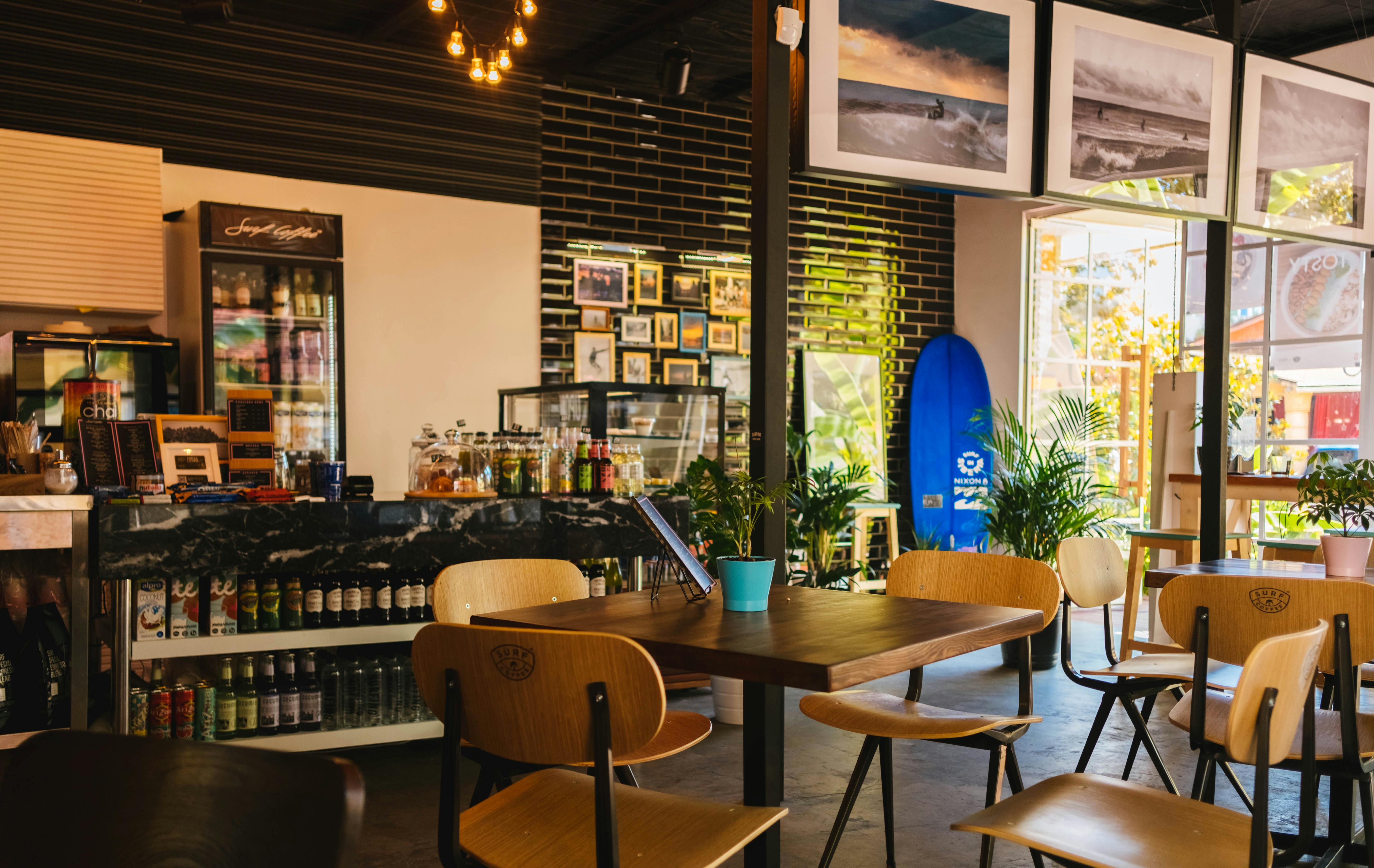
The challenges are equally significant. First and foremost is the soaring cost! The price of olive oil has gone through the roof, and so have electricity, gas, and rent, all of which are squeezing profit margins. Then there’s the labor shortage; finding good chefs and waiters is extremely difficult, and labor costs are rising accordingly. And that’s not to mention the fierce competition. Below, I’ve made a simple table comparing the pros and cons of opening a restaurant in a big city versus a small town:
| Features | Big City | Small Town or Village |
|---|
| Advantages | High foot traffic, many tourists, strong purchasing power | Lower rent and labor costs, less competition |
| Disadvantages | Extremely high costs, intense competition, difficult to find staff | Small market size, reliance on local customers, limited marketing channels |
| Opportunities | Ideal for trendy spots, high-end dining, innovative cuisine | Ideal for “casa rural” style restaurants, family-run businesses, local flavor |
Today’s Spanish restaurant industry is a battlefield of both opportunity and challenge. For anyone thinking of entering the industry after checking out some Spanish food reviews and analysis, it’s crucial to see the huge market driven by tourism while also being clearly aware of the high costs and fierce competition. Precise positioning, a unique selling proposition, and meticulous operational management are more important than ever. What does everyone think? Are any of you working in the restaurant industry, or are there any owners with their own places? Please feel free to share your firsthand experiences and insights!
