Eating is the top priority in Spanish life!
Upon arriving in Spain, the biggest cultural shock you’ll likely encounter happens at the dining table. When people first think of Spanish food, Spanish Cuisine and Culture may immediately bring to mind paella and Tapas, but these are only a small taste of what’s out there. The heart of Spain’s culinary culture is rooted in enjoying life and valuing social connections. Here, as explained in Spanish Cuisine and Cultural Traits, eating goes far beyond just filling your stomach—it stands as the day’s most meaningful social activity. It’s common for a lunch to last two or three hours, and after the meal, people linger at the table, enjoying long conversations—what locals call sobremesa. This truly is the soul of Spanish gastronomy.
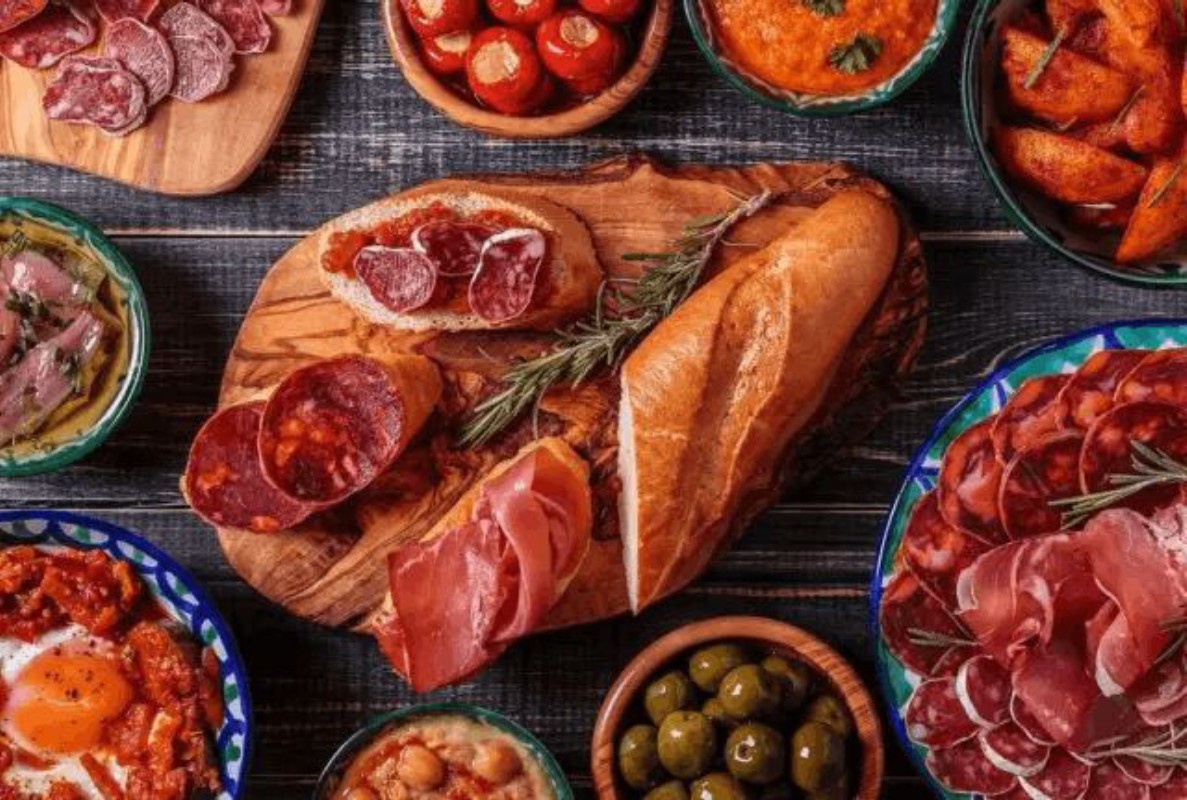
Tapas could be called a Spanish national treasure, but they’re not a single dish. Instead, it’s a style of small-plate sharing. Friends gather in local bars, order a few drinks, and the bar will either serve for free or offer for order small plates such as olives, fried calamari rings, potato omelets, and more. The typical evening sees people standing, chatting, and eating while hopping between several bars. Every region puts its own twist on Tapas, so exploring them across Spain is like a delicious adventure—forget dieting for now!
Spain is geographically diverse, making for huge regional differences in local cuisine. The northwestern Galicia region is famed for its fresh seafood, like octopus; central Castile prefers roasted meats and bean stews; and the famous paella you know is a specialty of the eastern Valencia area. So don’t expect to get the most authentic paella in Madrid! To experience true Spanish cuisine, you need to travel around—and taste each region’s specialties.
One of the harder things to adapt to might be what newcomers find the “strange” Spanish meal times. Lunch is typically from 2:00–4:00 PM, and dinner doesn’t start until 9:00–11:00 PM. To help you fit in quicker, here’s a simple meal schedule:
| Meal | Time | What’s commonly eaten |
|---|
| Breakfast | 8:00 - 10:00 | Coffee, toast, churros |
| Lunch | 14:00 - 16:00 | Main meal: starter, main, dessert |
| Merienda (Tea) | 17:00 - 19:00 | Desserts, sandwiches, fruit |
| Dinner | 21:00 - 23:00 | Lighter main or Tapas |
Besides food, as highlighted in Introduction to Spanish Cuisine and Culture, Spain’s drink culture is equally vibrant. In the summer, everyone reaches for a cold glass of Sangria or lemon wine—or tries excellent Vinos from across famous wine regions. In short, Spanish cuisine is far more diverse than you might imagine. Do you have a favorite Spanish dish? Or maybe you’ve had a special food experience while exploring? Feel free to leave a comment and share your stories below!
