Hello everyone! When I first arrived in Spain, like many people, I thought Spanish food was just about paella and Iberian ham. However, after living here for a while, I realized that the culinary culture of this land is truly a treasure trove waiting to be explored! Today, I’d love to share my perspectives on Spanish gastronomy, proving it goes way beyond simply filling your stomach—it’s as rich and fascinating as Spanish Cuisine and Culture suggests.
At the heart of Spanish food culture is the Mediterranean diet philosophy. This isn’t just a way of eating—it’s a healthy lifestyle. The emphasis is on generous use of fresh olive oil, vegetables, fruits, legumes, and fish. Spanish people are extremely particular about the freshness of ingredients, making local markets always bustling places. This preference for natural and simple cooking doesn’t just taste great; it’s recognized by UNESCO as an Intangible Cultural Heritage of Humanity. That’s why the Introduction to Spanish Gastronomy and Culture makes so much sense.
When we talk about Spain, we can’t leave out Tapas culture. Tapas are not merely appetizers—they’re a way to socialize! On weekends, it’s common to gather a few friends and hop from one taverna to another, ordering a couple of signature Tapas in each place, accompanied by a drink and engaging conversation. This represents the most authentic sharing and social joy for the Spanish. The light, casual vibe is totally different from formal big meals in other cultures.
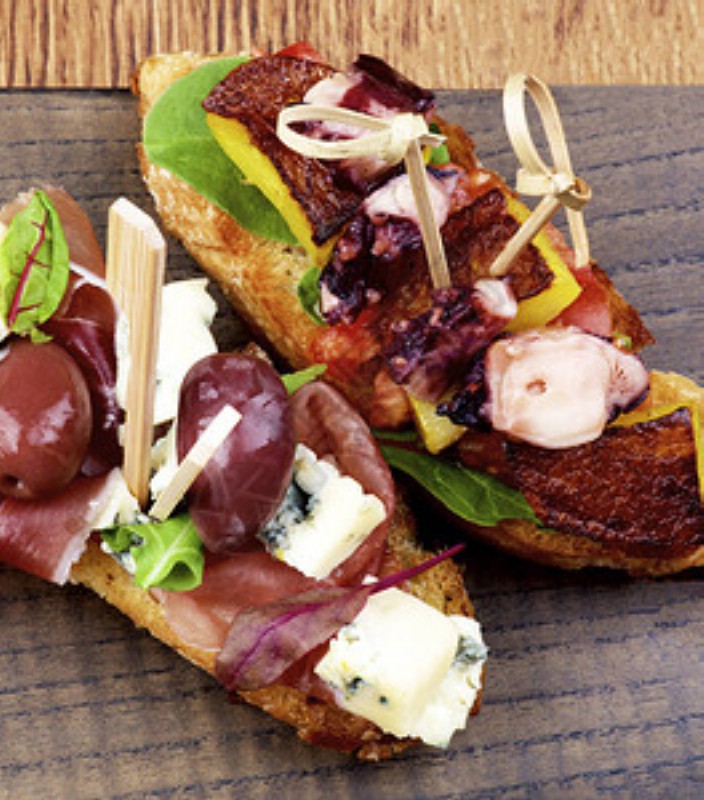
Spain is a large country, and each region has its own unique food traditions, which are far from homogeneous. To illustrate these culinary differences, I’ve put together a table on Spanish Cuisine and Cultural Characteristics:
| Region | Signature Dish |
|---|
| Andalusia | Gazpacho |
| Catalonia | Pa amb tomàquet |
| Basque Country | Pintxos |
| Galicia | Pulpo a la gallega |
| Valencia | Paella |
Mealtimes in Spain are also quite distinctive. Lunch is usually between 2 and 3 p.m., while dinner doesn’t start before 9 or 10 at night. Spending two to three hours over a meal is the norm, and only after eating does the real Sobremesa begin. Rather than rushing off, everyone stays at the table, enjoying coffee or a little drink while chatting about anything and everything. This best embodies the Spanish enjoyment of life and the “Slow Food” culture.
Spanish gastronomy is diverse, healthy, and full of social enjoyment. Have you ever tried any interesting Spanish dishes or are you curious about specialties from a particular region? Feel free to join the discussion in the comments below!
