Hello everyone! I’ve just arrived in Spain, and beyond the daily sunshine and amazing food, I’m becoming more and more fascinated by the country’s history and geography. It feels like every step on this land is a step through deep history. So, I’ve put together some basic information to share and start a conversation with you all!
Geographical Location: Europe’s ’Land’s End’
Spain is located on the Iberian Peninsula in southwestern Europe, bordered by France and Andorra to the north, and its neighbor Portugal to the west. It’s surrounded by the Mediterranean Sea to the east and south, and the Atlantic Ocean to the northwest. This unique geographical position has made it a strategic crossroads connecting Europe and Africa, and linking the Atlantic and the Mediterranean since ancient times. In addition to the mainland, Spain also includes the Balearic Islands in the Mediterranean and the Canary Islands in the Atlantic, off the coast of Africa.
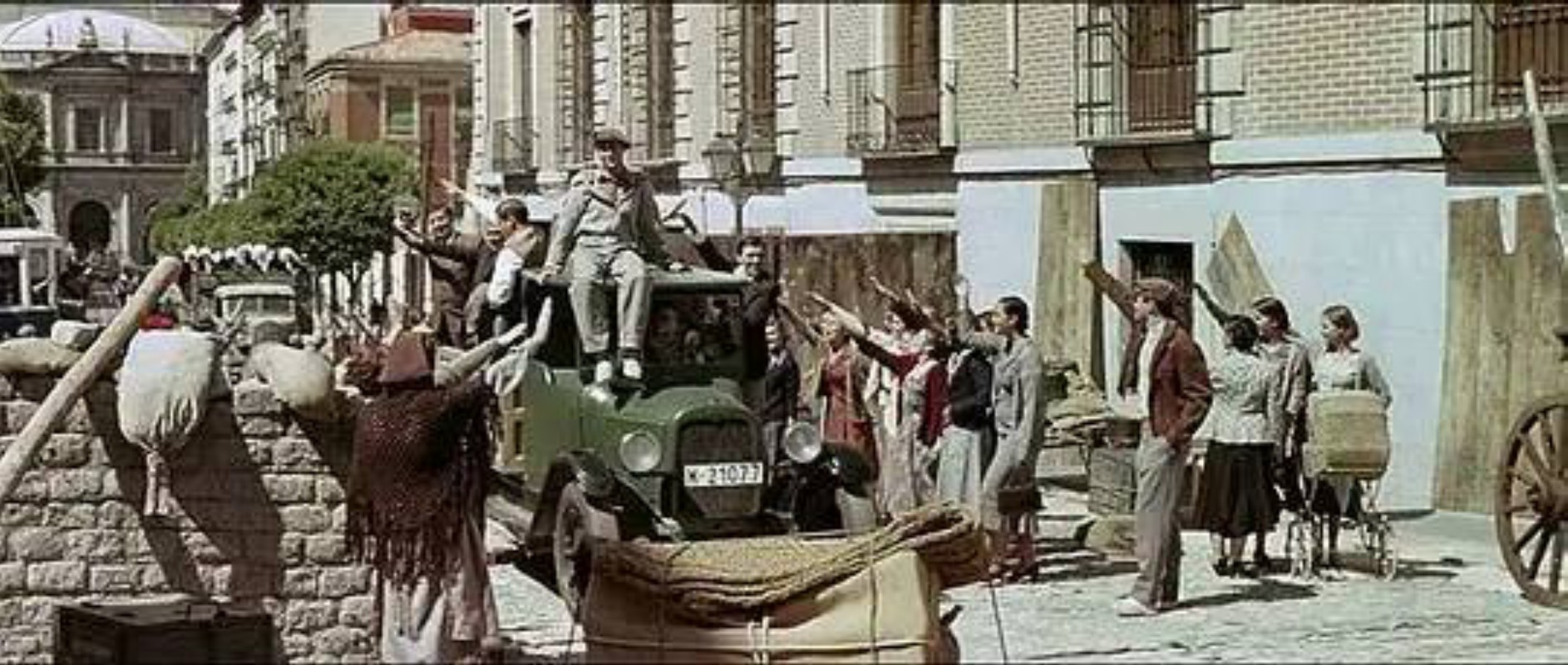
A Historical Overview: A Story of Interwoven Civilizations
Spain’s history is like an epic film, with different civilizations taking the stage one after another, each leaving an indelible mark.
The Roman Foundation and the Moorish Splendor
The Roman Empire ruled here for several centuries, leaving behind the foundations of modern Spanish, its legal system, and many magnificent structures like the aqueduct of Segovia. After 711 AD, the Moors from North Africa ruled most of the peninsula for nearly 800 years. They introduced advanced mathematics, astronomy, and agricultural techniques. To this day, you can see their profound influence in the Andalusia region, from its architectural styles to daily customs.
The Reconquista and the Golden Age
Starting in the 8th century, the Christian kingdoms in the north began the long Reconquista. This culminated in 1492 when the Catholic Monarchs reconquered Granada, marking the unification of Spain. It was also in that same year, as detailed in this Analysis of Spanish History and Geography, that Columbus, sponsored by the crown, initiated the Age of Discovery, ushering Spain into its Golden Age as an empire on which ‘the sun never set’.
| Historical Period | Key Influence | Representative Cities/Sites |
|---|
| Roman Empire | Language, law, roads, architecture | Mérida, Segovia, Tarragona |
| Moorish Rule | Science, mathematics, architectural art, agricultural irrigation | Córdoba, Granada |
| Reconquista | Expansion of Christian kingdoms, national unification | Santiago de Compostela |
| Golden Age | Colonial expansion, wealth accumulation, cultural flourishing | Seville, Madrid |
This rich historical tapestry has shaped the diverse cultural landscape of modern Spain. Many people assume Spanish is the only official language, but this is actually a common misconception. In fact, languages like Catalan, Basque, and Galician are also official languages in their respective autonomous communities. Each region’s unique dialect, cuisine, and festivals are deeply connected to its historical background. So, which period of Spanish history or which regional culture interests you the most? Let’s talk about it
!
