For those new to Spain, have you ever felt like traveling from one region to another is like visiting a different country? The Basque Country and Galicia in the north are worlds apart from Andalusia in the south in terms of language, accents, cuisine, and architecture. I was quite puzzled by this when I first arrived, but as I learned more about its history and geography, I realized there are profound reasons behind it all.
Geography: A Stage of Division and Formation
To understand Spain, you must first look at its map. The mainland of Spain is the Iberian Peninsula, its core being a vast central plateau (the Meseta Central), which is enclosed and divided by a series of mountain ranges, like the Cantabrian Mountains in the north and the Pyrenees in the northeast. In ancient times, when travel was difficult, this terrain naturally isolated various regions, allowing countless relatively independent cultural units to form. It’s less a single, unified nation and more of a federation pieced together from many distinctive ‘mini-countries.’ This geographical factor is the fundamental reason for this sense of ‘separateness.’
History: A Cultural Layer Cake
With geography setting the stage, history took its turn. The Romans arrived, leaving behind the Latin language, a legal system, and magnificent public works like the aqueduct of Segovia. Then, the Moors crossed the Strait of Gibraltar, ruling most of the peninsula for nearly 800 years. They established the brilliant Al-Andalus civilization in the south, leaving an indelible mark on science, agriculture, and art. The Alhambra Palace in Granada is the crowning achievement of that era.
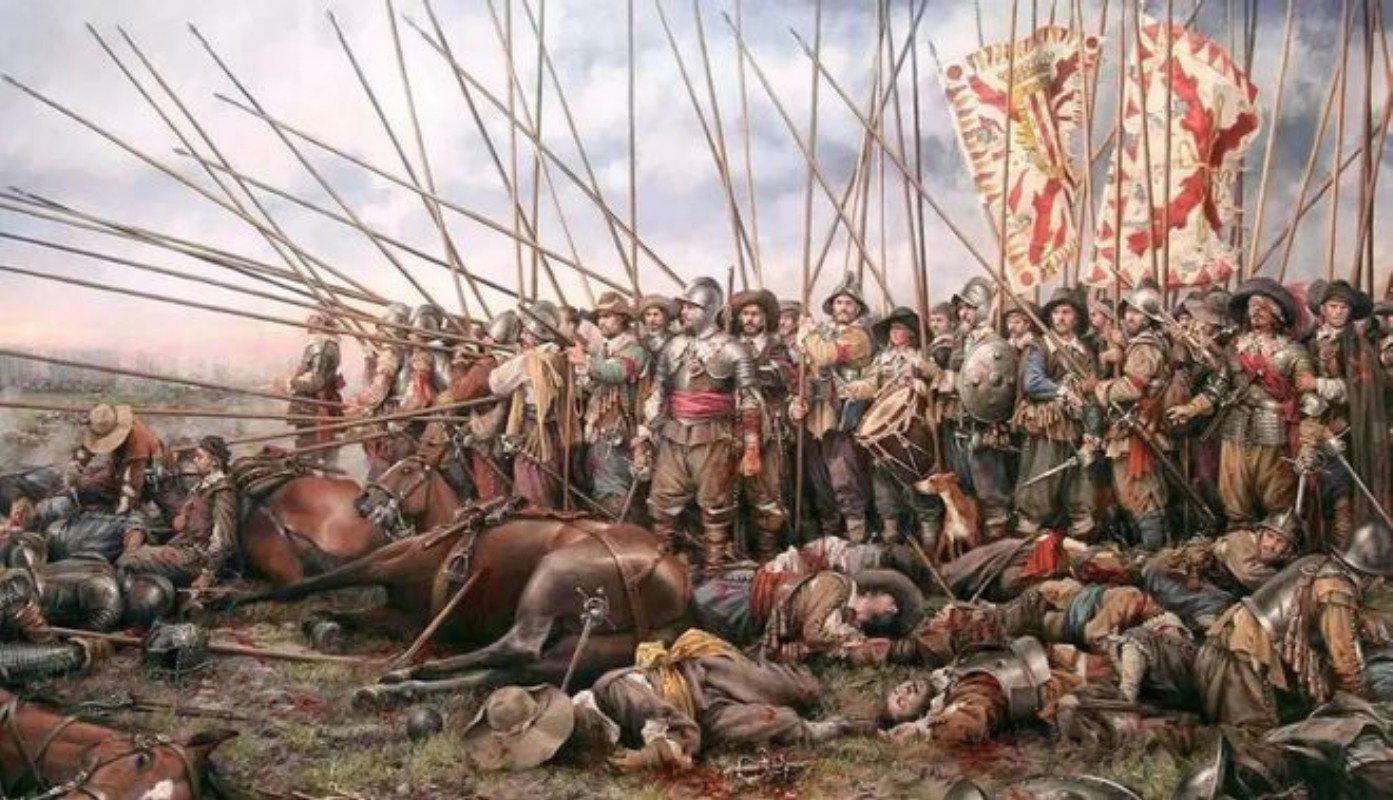
Subsequently, the northern Christian kingdoms launched the long Reconquista. This process, filled with competition and cooperation among the regions, further reinforced the separate identities of each kingdom. Finally, in 1492, the marriage between the crowns of Castile and Aragon laid the foundation for modern Spain’s borders. However, this unification was more political than cultural; the distinct cultural imprints were already deeply etched into the different regions.
Fusion: The Chemical Reaction of Geography and History
It is precisely because of this geographical division that history evolved at different paces, leaving varying concentrations of influence in different regions. The Moorish influence is deepest in Andalusia, while it is almost negligible in Asturias, which served as a long-standing frontier of resistance. Let’s look at a simple comparison:
| Autonomous Community | Key Historical Imprint | Language/Dialect Feature | Signature Dish |
|---|
| Andalusia | Moorish culture | Distinct Andalusian accent | Gazpacho, Pescaíto frito |
| Catalonia | Frankish influence, independent commercial tradition | Catalan language | Pa amb tomàquet, Calçots |
| Basque Country | Ancient, unique people; never fully conquered | Basque language | Pintxos, Marmitako |
So, when you consider Spanish history and geography, and understand how geography divided people and how history painted these separate groups with different cultural colors, you can see why Spain is so diverse. The charm of this land lies precisely in its simplicity complexity and richness. Have you felt this strong regional diversity in Spain? Which region’s character do you like the most? Feel free to share your thoughts in the comments below!
