The Rise and Fall of the Spanish Empire
When you hear ‘the empire on which the sun never sets,’ many people first think of Britain. However, this title originally belonged to Spain. In the 16th and 17th centuries, the Spanish Empire spanned the globe, from the Americas to the Philippines, and the sun truly never set on its territories. Today, let’s casually explore this epic history and see how this former world power rose and gradually fell.
The Dawn of Exploration and Conquest
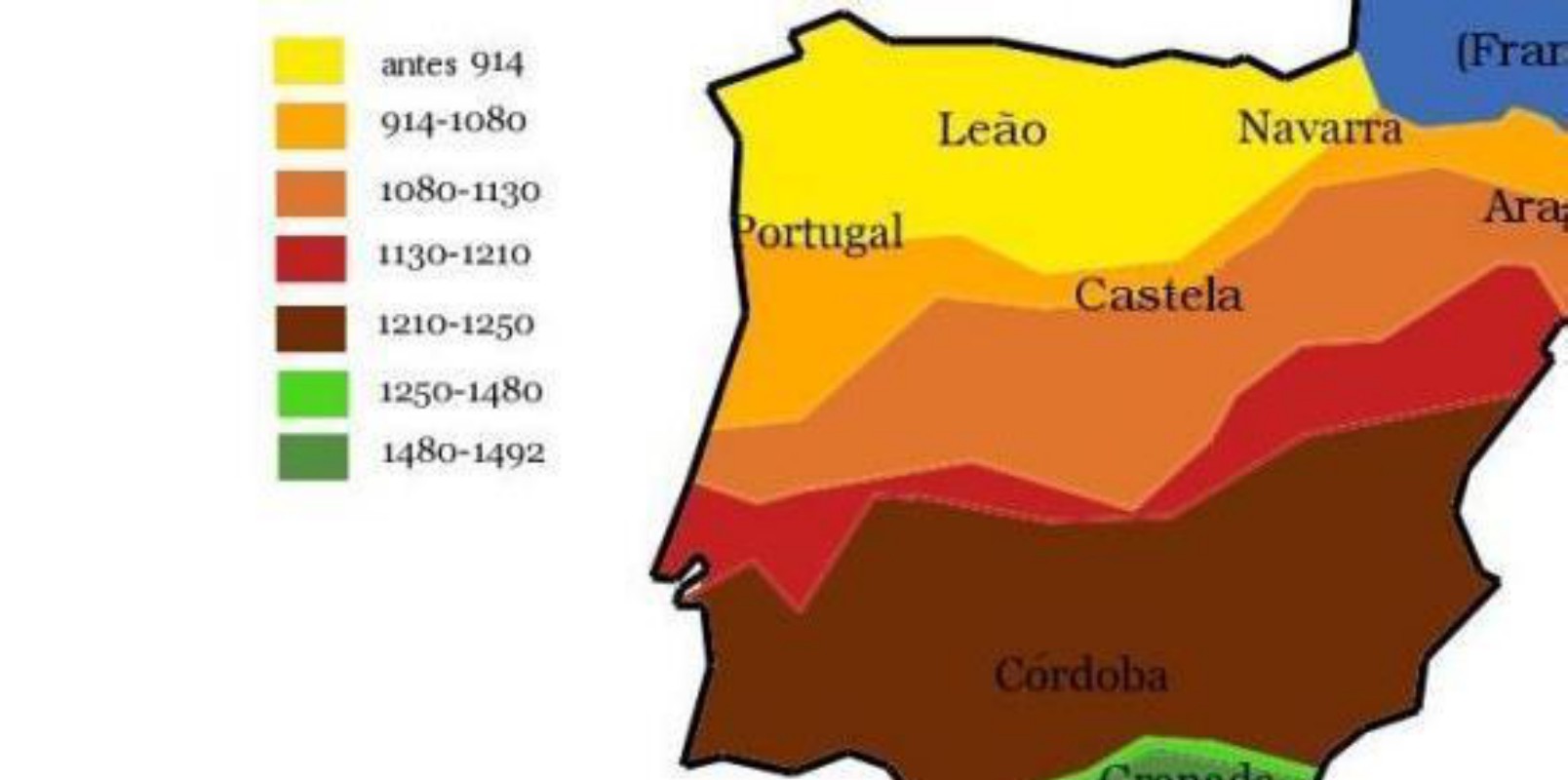
It all began in 1492, a remarkable year. Not only did the Reconquista conclude in Granada, but the Catholic Monarchs also sponsored Columbus’s voyage, which unexpectedly led to the ‘discovery’ of the New World. This opened the door to immense wealth and vast lands for Spain. Subsequently, conquistadors like Hernán Cortés and Francisco Pizarro, with remarkably small forces, destroyed the great Aztec and Inca Empires, marking the beginning of Spanish rule in the Americas.
The Glory of the “Golden Age”
Spain’s zenith was under the Habsburg dynasty, particularly during the reigns of Charles I (Carlos I) and Philip II (Felipe II). The empire’s territory reached its peak, covering most of the Americas (except Brazil), the Philippines in Asia, several strongholds in Africa, and large parts of Europe, including the colonies historically occupied by Spain. An immense amount of gold and silver extracted from mines like Potosí was continuously shipped to Spain, funding the empire’s vast expenses and constant wars. This also fueled Spain’s ‘Siglo de Oro’ (Golden Age), a period that produced many masters in literature and art.
The Empire’s Administrative Structure
Managing such a vast empire was no simple task. Spain established a system of viceroyalties in the Americas, where viceroys directly exercised power on behalf of the king. Initially, there were two main viceroyalties, with new ones later carved out to strengthen control.
| Viceroyalty | Established | Capital |
|---|
| Viceroyalty of New Spain | 1535 | Mexico City |
| Viceroyalty of Peru | 1542 | Lima |
| Viceroyalty of New Granada | 1717 | Bogotá |
| Viceroyalty of the Río de la Plata | 1776 | Buenos Aires |
This table clearly shows the core administrative units of the empire in the Americas. Each viceroyalty was further divided into smaller jurisdictions, forming a highly meticulous system of colonial rule.
The Empire’s Twilight and Legacy
After its golden age, decline was inevitable. Years of European wars, domestic economic problems, and the drain from the War of the Spanish Succession severely weakened the empire. By the 19th century, influenced by the Enlightenment and the American Revolution, a wave of independence movements swept through Latin America, leading to the secession of its Spanish colonies. The Spanish-American War of 1898 was the final blow, causing Spain to completely lose its last significant colonies, including Cuba, Puerto Rico, and the Philippines, marking the definitive end of this old empire. Although the empire is long gone, its influence remains profound. Today, Spanish is the world’s second most spoken native language, and the culture, religion, architecture, and legal systems of Latin America bear a deep Spanish imprint. This is perhaps why we can still feel a unique sense of historical depth in Spain today. Which part of this history interests you the most? Feel free to join the discussion!
