When I first arrived in Spain, I was struck by how diverse people looked—ranging from fair-skinned with blonde hair and blue eyes to those with much darker complexions. After doing some research, I discovered that this land’s history is essentially an epic tale of migration. So today, let’s delve into the ancestral roots of the modern Spanish people.
Before the Romans: The Earliest Inhabitants
Before the Romans set foot on this land, the Iberian Peninsula was home to many different tribes. The two main groups were the Iberians and the Celts. The Iberians were primarily settled along the Mediterranean coast, while the Celts, who came from Central Europe, occupied the central and northern parts of the peninsula. The Celtic culture we see today, for instance in the region of Galicia, is a lasting legacy of that time.
The Dawn of the ‘Melting Pot’ Era
The Roman Imprint
In the 3rd century BC, the Romans arrived. They brought not only wars that drove ethnic migration in Spanish history, but also an advanced civilization. During their rule, which lasted for several centuries, the Romans deeply embedded their Latin language, laws, architecture, and way of life into the land, turning it into a key province of the Roman Empire—Hispania. The very foundation of the Spanish language and the initial layout of many cities are valuable legacies from this Roman period.
The Germanic ‘Cameo’
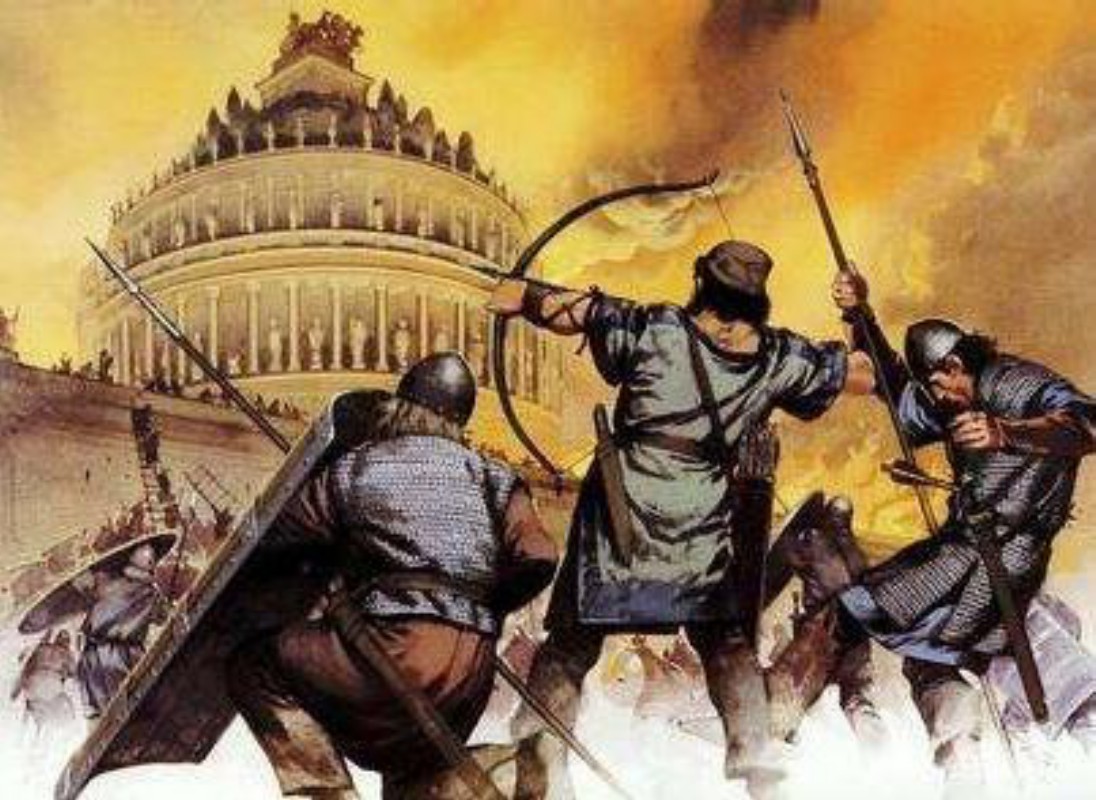
After the decline of the Roman Empire, Germanic tribes from the north, the Visigoths, took advantage of the power vacuum and established the Visigothic Kingdom. Although they were the ruling class, they were a minority in number and were eventually assimilated by the local Hispano-Roman culture, later converting to Catholicism. This period, while a bit messy, was a critical bridge connecting the Classical Age to the Middle Ages.
The Seven Centuries of the Moors
This is arguably the most influential chapter in Spanish history. In 711 AD, the Moors from North Africa crossed the Strait of Gibraltar, establishing a rule on the Iberian Peninsula that would last for nearly 800 years, an era known as ‘Al-Andalus.’ They introduced not only Islam but also the world’s most advanced knowledge in science, mathematics, medicine, and art at the time. The wonders we admire today, such as the Alhambra Palace in Granada and the Great Mosque of Córdoba, are enduring testaments to this brilliant civilization. The table below briefly summarizes the main periods:
| Migrating People | Main Influence | Key Cultural Heritage |
|---|
| Romans | Language, law, roads, urban planning | Roman Theatre of Mérida, Aqueduct of Segovia |
| Visigoths | Early political unification, some legal codes | Toledo as capital, some church architecture |
| Moors | Science, agriculture, architecture, art | Alhambra Palace, Great Mosque of Córdoba |
It’s safe to say that without this constant flow of different peoples, the unique Spain we know today would not exist. From the flamenco of Andalusia to the cuisine on the dinner table and even everyday language, the traces of cultural fusion are everywhere. For those of you living in Spain, have you felt the charm of this multiculturalism? Feel free to share your thoughts in the comments below!
