I’ve been in Spain for a few years now. Beyond the sun, food, and slow-paced life, what fascinates me most is the palpable sense of history everywhere. Back in my home country, Spanish history was just a few dry lines in a textbook—Columbus discovering the New World, the defeat of the Spanish Armada… But when you actually stand on this land, touch the Roman Theatre in Mérida, or stroll through the Alhambra in Granada, history truly comes alive.
The Many Layers of History
Spain’s history is like a multi-layered cake, with each layer offering a unique flavor. From the earliest Iberians and Celts to the later Romans and Visigoths, and then the Moors who ruled the Iberian Peninsula for nearly eight centuries. This layering and fusion of cultures has left a deep imprint on Spain’s architecture, language, and even its culinary habits. For example, the rich, exotic atmosphere in the Andalusia region originates from the civilization of Al-Andalus during the Moorish rule.
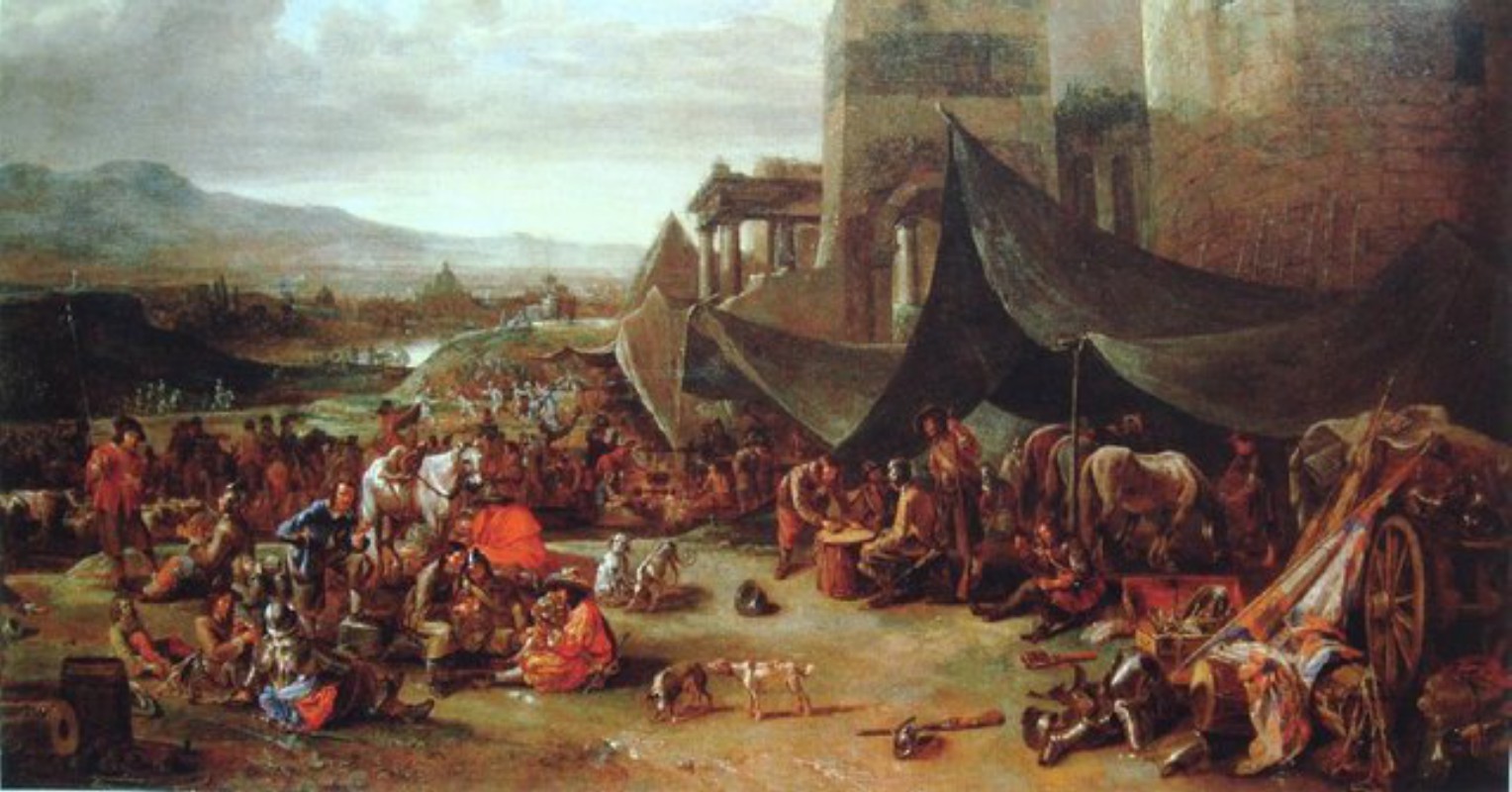
Afterglow and Contemplation of the Golden Age
Every time I visit the Plaza de España in Seville, I’m reminded of Spain’s ‘Golden Age.’ Through the Age of Discovery, Spain established the first ‘empire on which the sun never sets.’ A constant flow of gold and silver from the Americas created unprecedented prosperity. But history is always full of drama. The empire’s glory didn’t last long; wars, royal extravagance, and religious constraints caused this giant to slowly falter. The tides of history are truly something to reflect on.
Scars and Rebirth
When discussing Spanish history, you can’t avoid the painful memory of the Spanish Civil War. It was a dark period of fratricide and national division that left deep, unhealed scars on the country. Franco’s dictatorship further isolated Spain from the world for decades. Whenever I talk about this period with my Spanish friends, I can feel their complex emotions. It’s precisely because of these experiences that the Spanish people deeply cherish their hard-won democracy and freedom, a sentiment explored in these reflections on Spanish history. This history also reminds us how precious peace and reconciliation are.
Today, Spain is a modern, open, and vibrant country. But its historical DNA is woven into the nation’s blood. Understanding its past is essential to better understanding its present. Here is my personal summary of several important periods and their impact:
| Period | Key Impact |
|---|
| Roman Empire | Foundations of language, law, urban planning |
| Moorish Rule | Architectural art, agricultural irrigation techniques, science, and philosophy |
| Reconquista & Age of Discovery | National unification, establishment of a Catholic state, global empire |
| Democratic Transition | Integration into Europe, regional autonomy, cultural explosion |
What are your special feelings about Spain’s history? Is there a city or a story that left a deep impression on you? Let’s discuss it in the comments!
