When I first arrived in Spain, all I saw was sunshine, beaches, and tapas. To be honest, I wasn’t very interested in history; I thought it was just dusty old stuff confined to museums. But after living here for a while and talking to locals, I realized that so many conversations circle back to history. So, I decided to give it a try and picked up a few books on Spanish history. I was immediately hooked and couldn’t put them down.
A Symphony of Glory and Loss
What struck me the most was Spain’s Golden Age. The sheer splendor of ‘the empire on which the sun never sets,’ which dominated the seas with its Armada and had colonies across the globe, was breathtaking. Behind the great names like Cervantes and Velázquez was a nation’s immense cultural confidence. But the interesting thing about history is that a peak is often followed by a long, slow decline. Reading about the fall of the empire and the defeat of the Armada is truly poignant.
Division and Scars
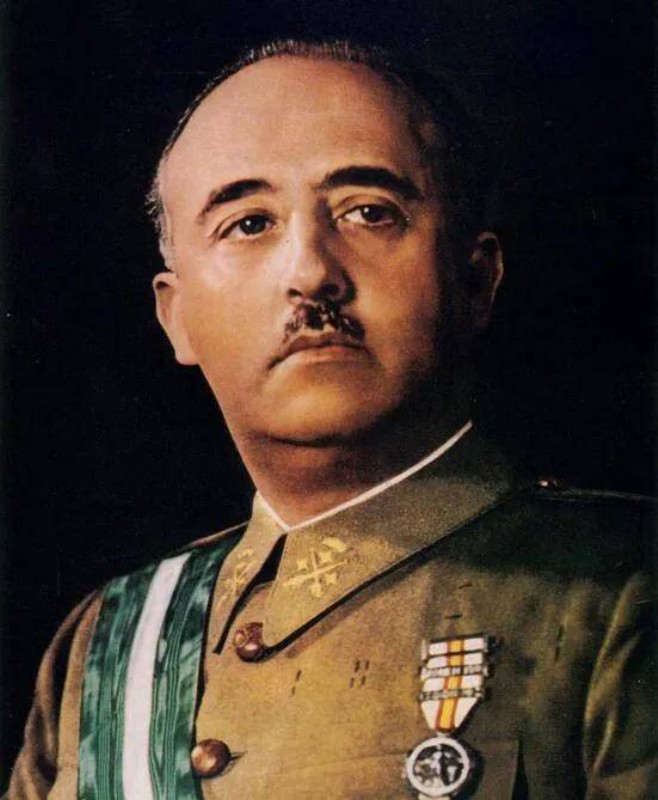
If the Golden Age was the high point, as I’ve shared in my reflections on Spanish history, then the centuries that followed, especially the 20th-century Civil War, represent a profoundly somber chapter. It’s not as widely discussed as World War II, but its brutality and lasting impact are no less significant. This period explains why Spain still has such strong regionalism and why certain political topics are so sensitive here. I’ve put together a simple table to help you understand a few key moments:
| Period | Key Event | Impact |
|---|
| 16th-17th Centuries | Golden Age & Spanish Armada | Established global hegemony, but also sowed the seeds of decline |
| 1936-1939 | Spanish Civil War | Deep social division, start of Franco’s dictatorship |
| 1975-Present | Democratic Transition | Began modernization, integration into Europe |
The democratic transition after Franco’s death is another miracle in Spanish history. The country transitioned peacefully, without widespread bloodshed, and re-embraced the world. The free and open society we enjoy today is the result of that generation’s efforts. But the scars of history haven’t completely faded; they remain a hidden undercurrent, influencing today’s culture and way of thinking.
Knowing this has completely changed how I see the people and things around me. A statue on a street corner, a place name—each could have an epic story behind it. I believe that to truly integrate into a country, understanding its history is essential. It allows you to see beyond the superficial and connect with the nation’s true, living soul. What period of Spanish history interests you the most? Let’s talk about it!
