For anyone new to Spain, have you ever felt that the country is a place of harmonious ‘contradictions’? The architecture in the south is vastly different from the north, each autonomous community has its own accent and customs, and even the habit of taking a siesta can be traced back hundreds of years. After living here for a while, I’ve slowly realized that to truly understand the Spain of today, you must look back at its magnificent and complex history.
The Foundation of Everything: The Roman Legacy
Many people might not know that the very concept of ‘Hispania’ was first introduced by the Romans. Beginning in the 3rd century BC, the Romans ruled the Iberian Peninsula for nearly 700 years, a period that was crucial for the forging of Spain’s history. Their legacy extends far beyond the majestic aqueducts and theaters; more importantly, they left behind language and law. The Spanish language we speak today is a direct descendant of the Vulgar Latin brought by the Romans. They also built an extensive network of roads, and many of today’s highways still follow the paths of these ancient Roman routes. In essence, Rome laid the unified cultural and administrative foundation for Spain.
A Dazzling Pearl: The Influence of the Moorish Era
In 711 AD, the Moors from North Africa crossed the Strait of Gibraltar, beginning a rule over parts of Spain that would last for nearly eight centuries. This period, known as “Al-Andalus,” left an indelible mark, especially on the southern regions. Anyone who has visited the Alhambra in Granada will have been captivated by the exquisite and intricate Islamic architectural art. Beyond architecture, the Moors introduced advanced irrigation techniques, turning the plains of Andalusia into the orchard of Europe. The oranges, lemons, and even the rice we enjoy today were introduced during that time. In terms of language, a vast number of words starting with ‘al-’, such as almohada (pillow), aceite (oil), and alcalde (mayor), originate from Arabic.
Unification and Expansion: The Reconquista
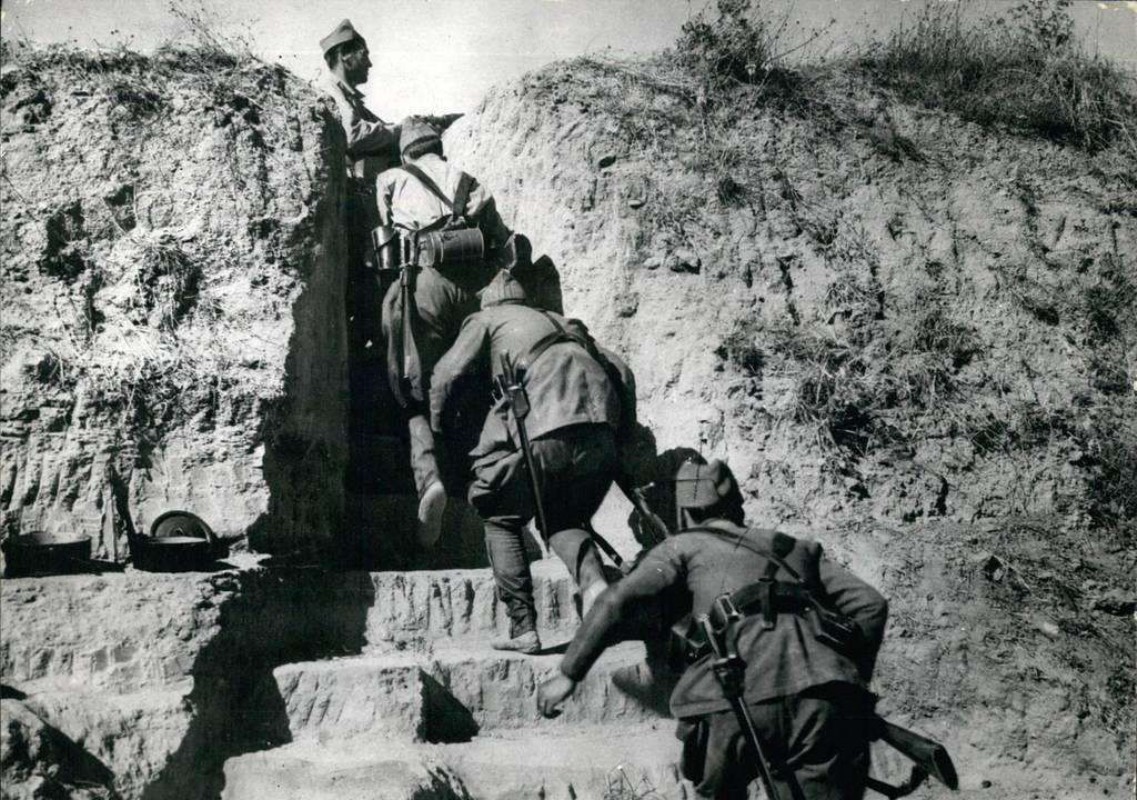
From the moment the Moors arrived, the Christian kingdoms in the north began the long “Reconquista” (Reconquest). This nearly 800-year-long conflict was not just a military struggle but a collision and fusion of two civilizations. Finally, in 1492, the Catholic Monarchs conquered Granada, completing the unification of Spain. This event significantly reinforced the dominance of Catholicism in Spain, an influence that persists today, evident in grand local Holy Week (Semana Santa) processions. It was also in that same year that Columbus, sponsored by the Monarchs, ‘discovered’ the New World, ushering in Spain’s ‘Golden Age’.
Echoes of History: Today’s Regional Differences
This history of division and reunification is the direct cause of the strong regionalism seen in Spain today. Why are there persistent independence movements in Catalonia and the Basque Country? Why is the Andalusian accent so different from that of Madrid? The simple table below clarifies how different historical kingdoms evolved into today’s autonomous communities with unique cultures and languages.
| Historical Region | Modern Influence | Language/Dialect Example |
|---|
| Kingdom of Castile | Foundation of modern Spanish | Standard Spanish (Castilian) |
| Crown of Aragon | Cultural roots of Catalonia, Valencia | Catalan |
| Al-Andalus | Southern architecture, agriculture, Flamenco art | Andalusian dialect |
| Basque Country | Unique language and culture with ancient origins | Basque (Euskara) |
Therefore, understanding this historical background helps us better comprehend the people and events around us in Spain, and appreciate the charm of this land more deeply. For those of you living in Spain, what other interesting, history-related details have you discovered? Feel free to share and discuss in the comments below!
