When you first arrive in Spain, it’s easy to get captivated by more than just the sun and beaches; you might also find yourself intrigued by the historical forces that shaped the country. I feel like Spain’s history is like an paella, blending so many different civilizations and elements. This is definitely not a dry history lesson; it’s a story full of drama! Today, let’s briefly walk through how the country we live in today came to be, step by step.
A Melting Pot of Civilizations: From the Romans to the Moors
The first to bring the light of civilization to the Iberian Peninsula were the Romans. They built roads, bridges, and aqueducts that are still in use today. More importantly, they brought Latin, the direct ancestor of modern Spanish. After the fall of the Roman Empire, the Visigoths had a brief rule, but the ones who truly and profoundly changed the face of Spain were the Moors, who crossed the strait in 711 AD. They established the prosperous civilization of Al-Andalus in southern Spain, achieving brilliant feats in science, medicine, and architecture. The breathtaking structures we see today in Granada and Córdoba are gifts from that era.
The Path to Unification: The Reconquista and the Age of Discovery
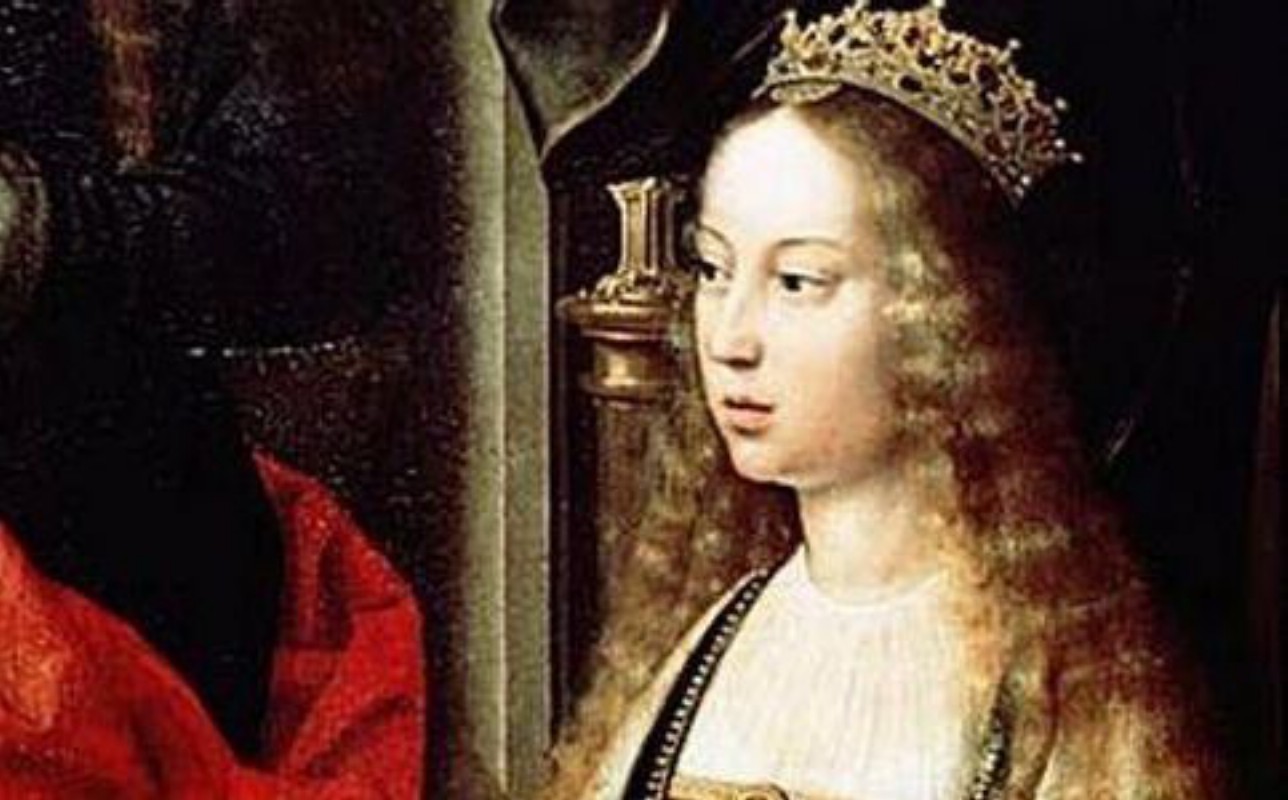
Meanwhile, the Christian kingdoms in the north weren’t idle. They launched the centuries-long ‘Reconquista’. This protracted war ultimately shaped the prototype of modern Spain. The most crucial step was the marriage of two monarchs:
| Kingdom | Monarch | Significance |
|---|
| Kingdom of Castile | Isabella I | The core force behind Spain’s unification |
| Kingdom of Aragon | Ferdinand II | United with Castile to lay the nation’s foundation |
Their union merged the two great Spanish kingdoms into one. In 1492, with the fall of Granada, the last Muslim city, Spain achieved political unification. In that very same year, Christopher Columbus, sponsored by them, ‘accidentally’ discovered the New World, kicking off the magnificent Age of Discovery.
What followed was Spain’s Golden Age. Immense wealth from the Americas transformed Spain into the world’s foremost power, earning it the title of ‘the empire on which the sun never sets.’ However, as history often dictates, prosperity is followed by decline. Years of war and internal issues eventually led the vast empire to a slow downfall.
From a divided peninsula to a unified empire, and finally to the modern democratic nation we see today, Spain’s history is truly a rollercoaster ride. With this background, visiting its ancient monuments and exploring its cities feels much more meaningful, doesn’t it? Which period interests you the most, or do you have any historical stories to share? Let us know in the comments!
