Exploring Spanish History: Interesting Angles from the Roman Empire to the Modern Era
Having just arrived in Spain, I feel like this place is full of ancient sites, with centuries of stories hidden around every corner. Beyond the well-known cultural symbols like bullfighting and flamenco, I’ve discovered that Spanish history itself is a huge treasure trove. I’ve been doing some research lately and wanted to share a few starting points that I find fascinating, just to get the ball rolling and hear your thoughts too!
1. Following in the Footsteps of the Roman Empire
Many people might not know that Spain was one of the most important provinces of the Roman Empire, and even produced several Roman emperors like Trajan and Hadrian. Therefore, when looking into the current state of research on Spanish history, the Roman era is an indispensable starting point. Today, numerous Roman ruins are still preserved across Spain, such as the ancient Roman theater in Mérida, the magnificent aqueduct of Segovia, and the extensive network of Roman roads. Every time I see these, I feel like I can travel back two thousand years and imagine the legions and caravans passing through.
2. The Brilliant Civilization of Al-Andalus
In 711 AD, the Moors from North Africa crossed the strait, beginning a rule over the Iberian Peninsula that lasted for more than seven centuries. This period had a transformative impact on Spain. They not only brought Islam but also made brilliant achievements in astronomy, mathematics, medicine, and agriculture. Many Spanish words we use today originate from Arabic. Of course, the most direct impression comes from the architecture. The Alhambra in Granada is the pinnacle of this era; its intricate and exquisite carvings and courtyard designs are simply breathtaking.
3. The Age of Discovery, the Golden Age, and Royal Intrigue
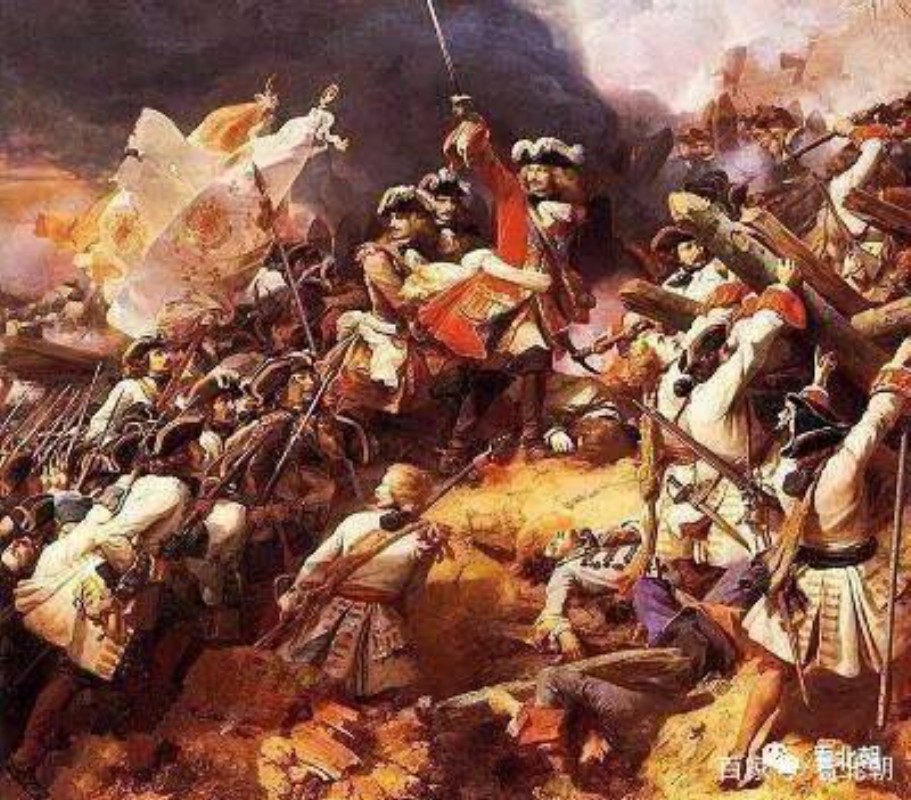
After the Reconquista ended, Columbus’s voyage kicked off Spain’s Age of Discovery, leading to the Golden Age of the ‘empire on which the sun never sets.’ Gold and silver from the Americas flowed in continuously, nurturing a generation of masters like Cervantes and Velázquez. But this period is also complex, filled with drama like the power shifts between the Habsburg and Bourbon dynasties, continuous wars with other European nations, and the fall of the Invincible Armada. Studying this era is like watching a thrilling, epic drama.
I’ve put together a simple table to summarize the key features of these periods:
| Historical Period | Key Impact | Iconic Ruins/Figures |
|---|
| Roman Era | Language, law, engineering | Aqueduct of Segovia |
| Moorish Period | Architecture, science, agriculture | Alhambra Palace |
| Golden Age | Wealth, art, literature | Cervantes, Velázquez |
These are just a few ideas that came to my mind, and I feel each one could be a deep dive. Does anyone else have thoughts on other interesting or noteworthy aspects of Spanish history? For instance, the nationalist issues in the Basque Country and Catalonia, the Franco era, and so on? Feel free to leave a comment and discuss!
