Hello fellow forum members! I’ve been doing some reading on Spanish history lately and noticed something interesting: the way we discuss Spanish history today is vastly different from what we learned in textbooks just a few years ago. History is no longer a dusty archive, but a field that is constantly being rediscovered and rewritten. I wanted to start this thread to chat about a few new trends I’ve observed in Spanish historical research.
Civil War Memory and Historical Reconciliation
One of the most significant shifts is in the study of the Spanish Civil War and the Franco era. While previous research often focused on political, military, and ideological conflicts, scholars today are increasingly interested in “bottom-up” social history. The focus has shifted from the decisions of major figures to the real-life experiences of ordinary people during that turbulent period. By examining personal diaries, letters, oral histories, and even kitchen recipes, researchers are reconstructing the daily life, social culture, and traumatic memories of an era of oppression. This is closely tied to Spain’s contemporary “Historical Memory Law” movement, as the entire society strives to reconcile with its past.
Beyond the Peninsula: Global History and Transnational Connections
Another major trend is to stop viewing Spain as an isolated European nation. Scholars are now more inclined to place it within a global network, examining its interactions with the rest of the world. For instance, the study of the Spanish Empire is no longer just a binary narrative of conquerors and the conquered. Instead, it focuses on the two-way flow of materials, cultures, species, and people on a global scale. How did corn and potatoes travel from the Americas to Europe, changing the Old World’s diet? How was an artisan in the Philippines influenced by the artistic styles of New Spain? These are fascinating questions addressed from a global history perspective. The General Archive of the Indies in Seville is a treasure trove of this magnificent and complex history.
New Sources and New Methods: History Beyond Texts
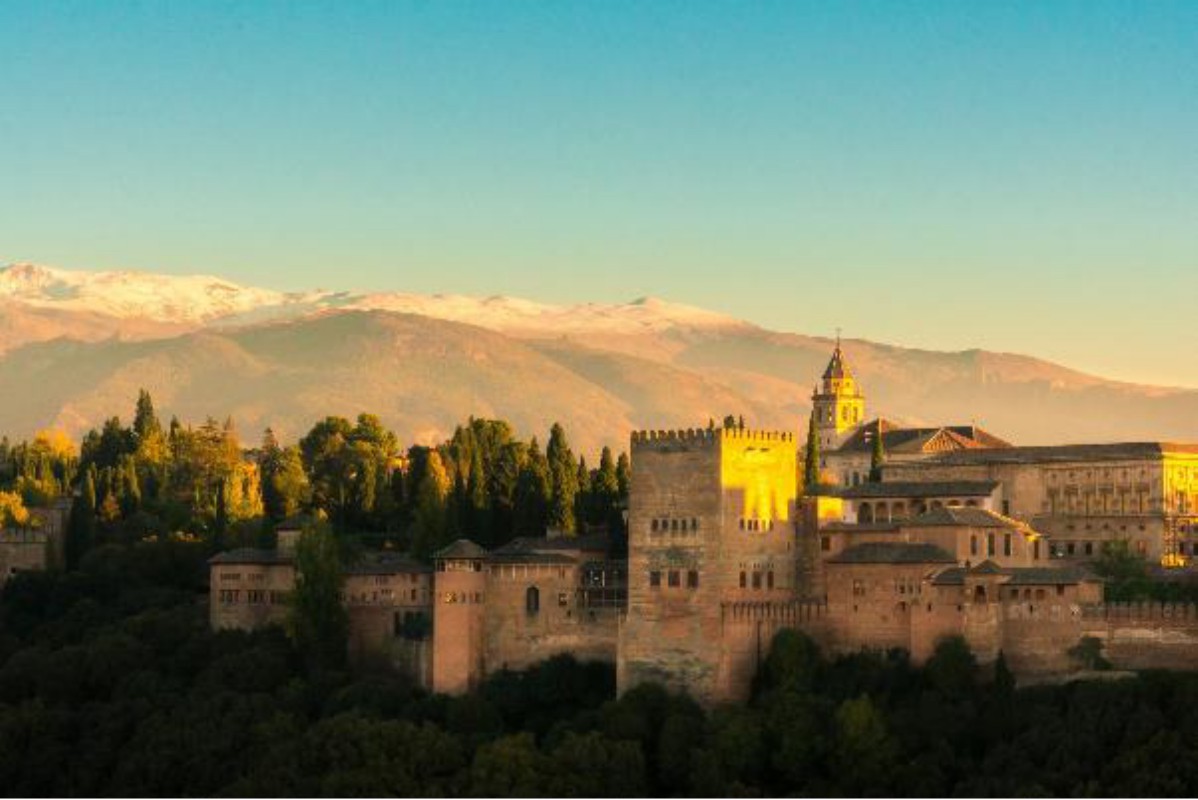
Research methods are also evolving. In addition to traditional archival documents, which are still one of the many interesting topics for research in Spanish history, tools like oral histories, visual materials, and archaeological finds—and even DNA analysis—have become crucial for reconstructing the past. For example, archaeological excavations can reveal the true layout and living details of mixed communities of Muslims, Christians, and Jews in medieval Al-Andalus. The rise of digital humanities has also made it possible to apply big data analysis to historical research. The table below briefly illustrates this shift in perspective:
| Research Perspective | Traditional Methods | Emerging Methods |
|---|
| Source Material | Official archives, elite writings | Oral histories, private letters, images, archaeological artifacts |
| Focus of Analysis | Political events, military wars | Social life, cultural change, collective memory |
| Historical Narrative | Grand narratives, state-centric | Microhistory, transnational history, gender history |
Today’s Spanish historical research is far from the rigid chronology we might remember. It has become more diverse, inclusive, and profound, brimming with new vitality. It’s no longer just an epic of kings and generals, but a story of countless ordinary people who struggled, created, communicated, and ultimately shaped the Spain we see today. What period of Spanish history interests you the most? The Moorish rule in Al-Andalus, or the Golden Age of the “empire on which the sun never sets”? Feel free to leave a comment below to discuss, or share any good books you’ve read or documentaries you’ve seen!
