When I first came to Spain, I realized I knew very little about its history beyond bullfighting and flamenco. So, I spent some time putting together a super-condensed timeline to share with fellow newcomers. Let’s get up to speed together so we have more to talk about with the locals!
Early History: From a Roman Province to the Moorish ‘Al-Andalus’
The land we now call Spain was first conquered by the Romans and became a province of the Roman Empire; you can still see traces of this era in the ruins of many cities today. After the fall of the Roman Empire, the Visigoths arrived. However, the most profound influence came from the Moors from North Africa in 711 AD. They crossed the Strait of Gibraltar and began a rule that lasted nearly 800 years, establishing the renowned kingdom of Al-Andalus and leaving behind a splendid Islamic cultural legacy in cities like Córdoba and Granada.
The Path to Unification: The Reconquista and the Age of Discovery
While the Moors ruled, the small Christian kingdoms in the north were engaged in a long campaign known as the ‘Reconquista’ (Reconquest). This movement culminated in the pivotal year of 1492, which saw three major events: Queen Isabella I of Castile and King Ferdinand II of Aragon conquered Granada, completing the unification of Spain; they sponsored Columbus’s ‘discovery’ of the Americas; and they also expelled the Jewish population. From this point on, Spain entered its golden Age of Discovery, becoming the ‘empire on which the sun never sets’.
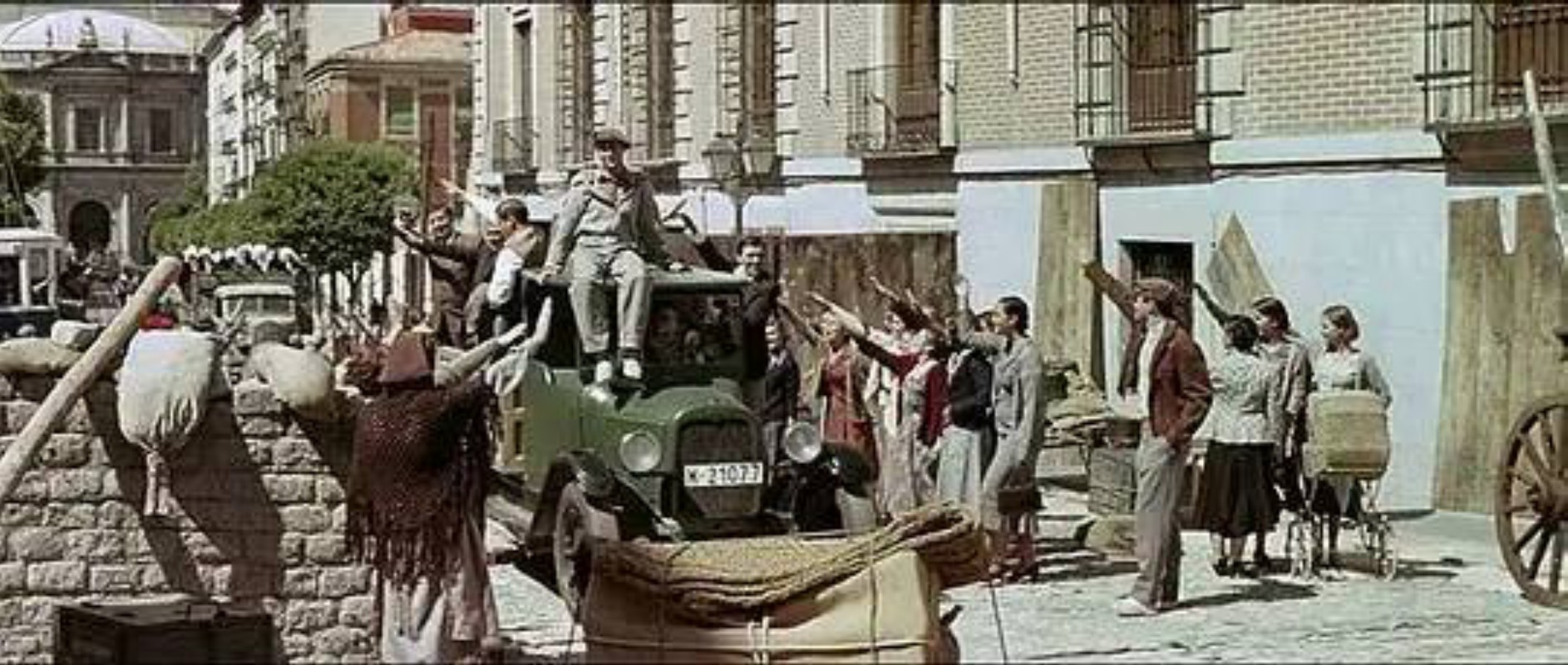
Modern Turmoil: Dynastic Changes and the Scars of War
Following its imperial glory, Spain experienced dynastic shifts between the Habsburg and Bourbon houses. Under the Habsburgs, Spain reached the zenith of its power but was also weakened by constant wars. The Bourbons introduced a series of reforms upon taking the throne but were soon embroiled in the Napoleonic Wars. Throughout the 19th and early 20th centuries, Spain was in a state of turmoil, alternating between monarchy, republic, and dictatorship. The most painful period was the Spanish Civil War from 1936-1939, followed by Franco’s nearly 40-year dictatorship. This part of history is a painful memory many Spaniards prefer not to dwell on.
A Quick Summary of Key Periods
| Period | Ruling Dynasty / Core Events |
|---|
| 711-1492 | Moorish Rule and the Reconquista |
| 1492-1700 | Discovery of the New World & Habsburg Dynasty |
| 1700-Present | Bourbon Dynasty and Modern Spain |
After Franco’s death, Spain established a constitutional monarchy in 1978 with a new constitution, and King Juan Carlos I led the country through a peaceful transition to democracy, creating the open and diverse modern Spain we see today. You can find more milestones in this Timeline of Major Events in Spanish History. History is vast, and this is just a super-condensed version, so many details are surely missing. History buffs are welcome to add corrections or share which period interests you the most?
