For those of you new to Spain, did you, like me, often mix up ‘Spanish history’ and ‘Spanish civilization’? They both seem to be about the past, but when you think about it, the difference is quite significant. Today, I’m starting this thread to share my humble take on it, and I welcome any corrections or additions from the experts here!
History is the Skeleton, Civilization is the Flesh and Blood
In my view, Spanish history is like a chronological ledger. It records ‘what happened’ on this land, filled with major events, dynastic changes, wars, and treaties. For instance, from the Roman invasion and the establishment of the Visigothic Kingdom, to the Arab rule, the Reconquista by the Catholic Monarchs, and finally to the Age of Discovery and modern history… it’s a clear, linear timeline. Understanding history helps us grasp the evolution of Spain, but it’s relatively objective and cold.
On the other hand, Spanish civilization is completely different. It isn’t linear; it’s the ‘legacy’ that has settled over the long course of history. Civilization answers the question of ‘what was left behind’. It encompasses art, architecture, language, religion, philosophy, customs, and more. For example, Andalusia, deeply influenced by 800 years of Arab rule, was left with not just historical events, but also magnificent architectural treasures like the Alhambra Palace, and the Moorish cultural imprints embedded in its language, music, and cuisine, which you can read more about in Spain’s Climate, History, and Civilization. These elements have transcended dynasties and continue to influence the lives of Spaniards today—that’s the power of civilization.
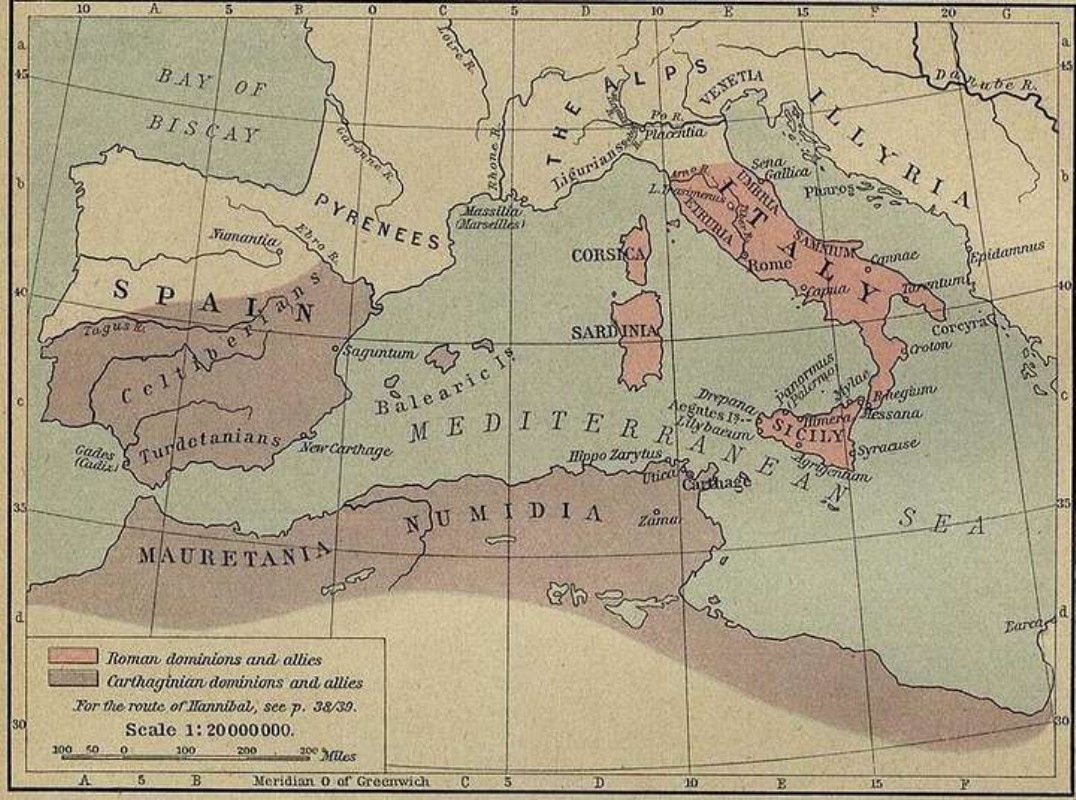
A Simple Comparison
To make it easier to understand, I’ve created a simple table to help you quickly distinguish between the two:
| Characteristic | Spanish History | Spanish Civilization |
|---|
| Nature | Temporal, Event-based | Spiritual, Legacy-based |
| Core | Records ‘What happened’ | Showcases ‘What was left behind’ |
| Examples | The Reconquista, The fall of the Spanish Armada | Flamenco, Bullfighting, Tapas, Siesta |
| Experience | Informational, requires memorization and understanding | Experiential, requires feeling and immersion |
So, regarding the relationship between Spanish history and civilization, we can say that without the complex, intertwined history of the Romans, Visigoths, Moors, and others, the unique, diverse, and fascinating Spanish civilization of today would not exist. History is the ‘cause,’ and civilization is the ‘effect.’ History is the skeleton, while civilization is the soul that gives Spain its flesh and blood and its captivating charm. What are your thoughts? Feel free to discuss and share what you believe best represents Spanish civilization in the comments below!
