Having recently moved to Spain, I’ve become fascinated by its history and culture. I’ve been diving into some materials on Spanish history lately and found its political evolution to be a real rollercoaster ride. So today, I wanted to start a casual discussion and share a brief overview of Spanish political history I’ve put together. These are just my personal learning notes, and I welcome any corrections or additions from the experts here
!
Unification and Empire: The Habsburg and Bourbon Dynasties
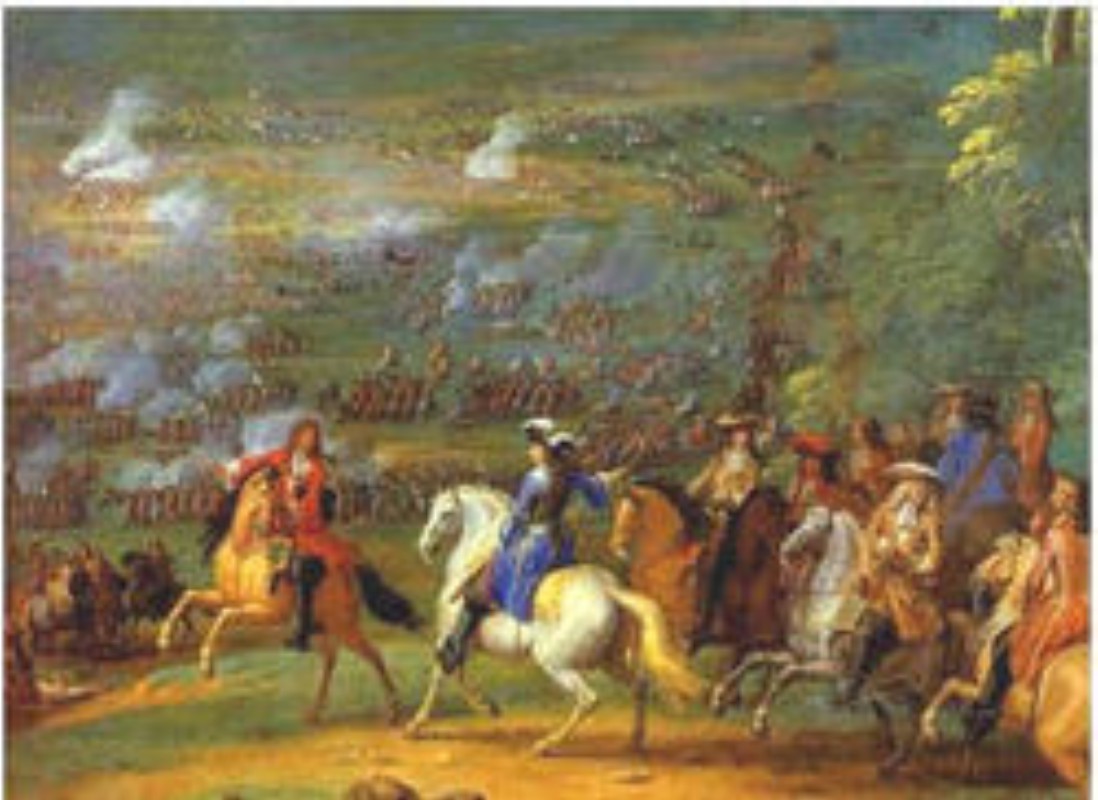
When people think of Spain, the first thing that often comes to mind is its former ‘empire on which the sun never sets.’ That’s right. Starting from the unification of Spain by the Catholic Monarchs at the end of the 15th century and through the subsequent Habsburg dynasty, Spanish power reached its zenith. The political system at the time was an absolute monarchy, with the king holding immense power. Later, when the Bourbon dynasty took over, despite some reforms, this strong, centralized model largely continued.
Turmoil and Experiments: The Brief Dawn of the Republics
From the 19th to the early 20th century, Spain was far from stable, a fact underscored by the relationship between Spanish history and politics
. The Napoleonic invasion and various internal power struggles plunged the country into a long period of turmoil. During this time, Spaniards experimented with new political systems, including two attempts at establishing a republic.
| Period | Main Political Form | Notes |
|---|
| Early 19th Century | Monarchy and brief constitutionalism | Birth of the famous Constitution of Cádiz of 1812 |
| 1873-1874 | First Spanish Republic | Hastily established and fell just as quickly, lasting only 11 months |
| 1931-1939 | Second Spanish Republic | Introduced significant social reforms but ended with the Civil War |
The Dictatorship: The Franco Era
After the Spanish Civil War, Francisco Franco began a dictatorship that lasted nearly 40 years. This was a unique period and one of the key political models in Spanish history, during which Spain was politically isolated and its economic development lagged. Although policies were relaxed in the later years to boost the economy, society remained under tight control. The impact of this era on contemporary Spanish society is still profound.
Return to Democracy: Today’s Constitutional Monarchy
Following Franco’s death in 1975, King Juan Carlos I led Spain through a peaceful transition to democracy. In 1978, a new constitution was approved by a national referendum, formally establishing the constitutional monarchy we know today. The King is the head of state, but his powers are symbolic; the actual governance of the country is handled by the elected government and parliament.
Spain’s path to its current political system has been truly full of twists and turns. From a powerful empire, through chaotic experiments and a long dictatorship, it finally arrived at the democratic society we see today. Which period of history interests you the most? Or what other interesting aspects of Spain’s political system have you noticed? Let’s discuss in the comments!
