Hello everyone! I’ve just recently arrived in Spain, and besides enjoying the sun, beaches, and food, I’ve developed a keen interest in its history. Its political system, in particular, is like a dramatic saga full of twists and turns. I feel that understanding this history is key to a deeper appreciation of modern Spanish society. Today, I’d like to share a bit of the homework I’ve done, just to get the ball rolling. I’d welcome any corrections or additions from those who know more!
A Brief History of Spain’s Political Models
The Long Era of Monarchy
When people think of Spain, the royal family is often the first thing that comes to mind. And rightly so—monarchy has had an incredibly long run on the Iberian Peninsula. Starting from the 15th century, when the Catholic Monarchs unified Spain, the country entered a period of powerful absolute monarchy. The subsequent Habsburg and Bourbon dynasties took turns on the throne, playing out countless court dramas. During this era, the king’s power was absolute; one could say, “I am the state.”
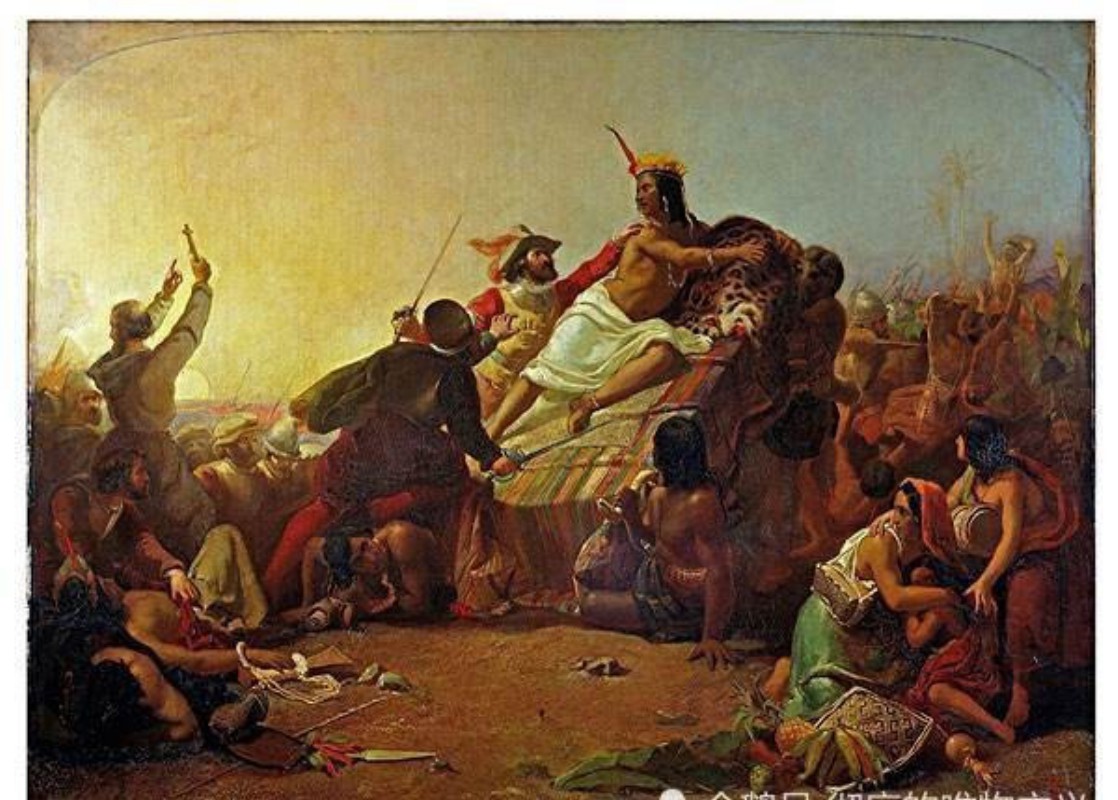
The painting above, the famous ‘The Surrender of Granada,’ marks the completion of the ‘Reconquista’ by the Catholic Monarchs and the unification of Spain.
Two Brief Republican Attempts
You might not know about the relationship between Spanish history and politics, but Spain has actually had two republics in its history! Both were very short-lived. The first was from 1873-1874, known as the First Spanish Republic, which lasted less than two years before collapsing due to internal conflict and separatism. The second, the Second Spanish Republic, had a much greater impact. It introduced many radical social reforms, such as the separation of church and state and women’s suffrage, but it also intensified social divisions, ultimately leading to the bloody Spanish Civil War.
The Franco Dictatorship and the Transition to Democracy
After the Civil War, the victor, Francisco Franco, established a dictatorship that lasted for nearly 40 years. This was an era of nationalism and Catholic authoritarianism within Spain’s political systems throughout history; there were no political parties, no free elections, and Franco had the final say on everything. It wasn’t until Franco’s death in 1975 that his designated successor, King Juan Carlos I, unexpectedly spearheaded a peaceful transition to democracy, a process famously known as the “Transición española”. I’ve made a simple table here to compare these key periods:
| Period | Regime Type | Head of State | Key Features |
|---|
| Second Republic | Democratic Republic | President | Free elections, social reform, political instability |
| Francoist Era | Personal Dictatorship | Generalissimo | Single-party rule, suppression of dissent, nationalism |
| Modern Era | Constitutional Monarchy | King | Ceremonial head of state, parliamentary democracy, multi-party competition |
Today, Spain operates as a parliamentary democracy under a constitutional monarchy. The King is the head of state, but his role is largely symbolic; real power lies with the elected parliament and the Prime Minister. Looking back at this history—from absolute monarchy to republic, then to dictatorship, and finally back to a modern constitutional monarchy—is truly remarkable. What are your thoughts on this period of Spanish history? Do you have any interesting details to share? Let’s discuss!
