More Than Sun and Sand: A Deep Dive into the Real Eras of Spanish History
For friends who have just arrived in Spain or are curious about the country, your first impressions might be of flamenco, paella, and sunny beaches. But what makes Spain truly captivating is its dramatic and magnificent history. Today, I’m starting this thread to casually chat about the real historical eras that shaped modern Spain—it’s definitely more interesting than what you’d find in a textbook!
Rome and the Visigoths: The Foundations of Civilization
Many people don’t realize that Spain’s language, laws, roads, and even the framework of many of its cities originate from the Roman Empire over two thousand years ago. Back then, Spain was known as ‘Hispania,’ one of Rome’s most important provinces and the birthplace of several emperors like Trajan and Hadrian. After the fall of Rome, the Germanic Visigoths from the north took over. Although their rule was relatively short, they unified the Iberian Peninsula and established Catholicism as the state religion, laying the groundwork for the future concept of ‘Spain,’ a topic further explored in this real summary and reflection on Spanish history.
The Splendor of Al-Andalus and the Long Reconquista
This is undoubtedly the most vibrant chapter in Spanish history! In 711 AD, the Moors from North Africa crossed the Strait of Gibraltar and established an Islamic state on the Iberian Peninsula, known as ‘Al-Andalus.’ Over the next nearly 800 years, a period you can explore more about in this piece on debunking myths in Spanish history, this region became one of the most prosperous and advanced in Europe. Córdoba was once the academic center of the Western world, with astronomy, medicine, and philosophy reaching incredible heights. The Alhambra Palace in Granada is a stunning architectural treasure from that era.
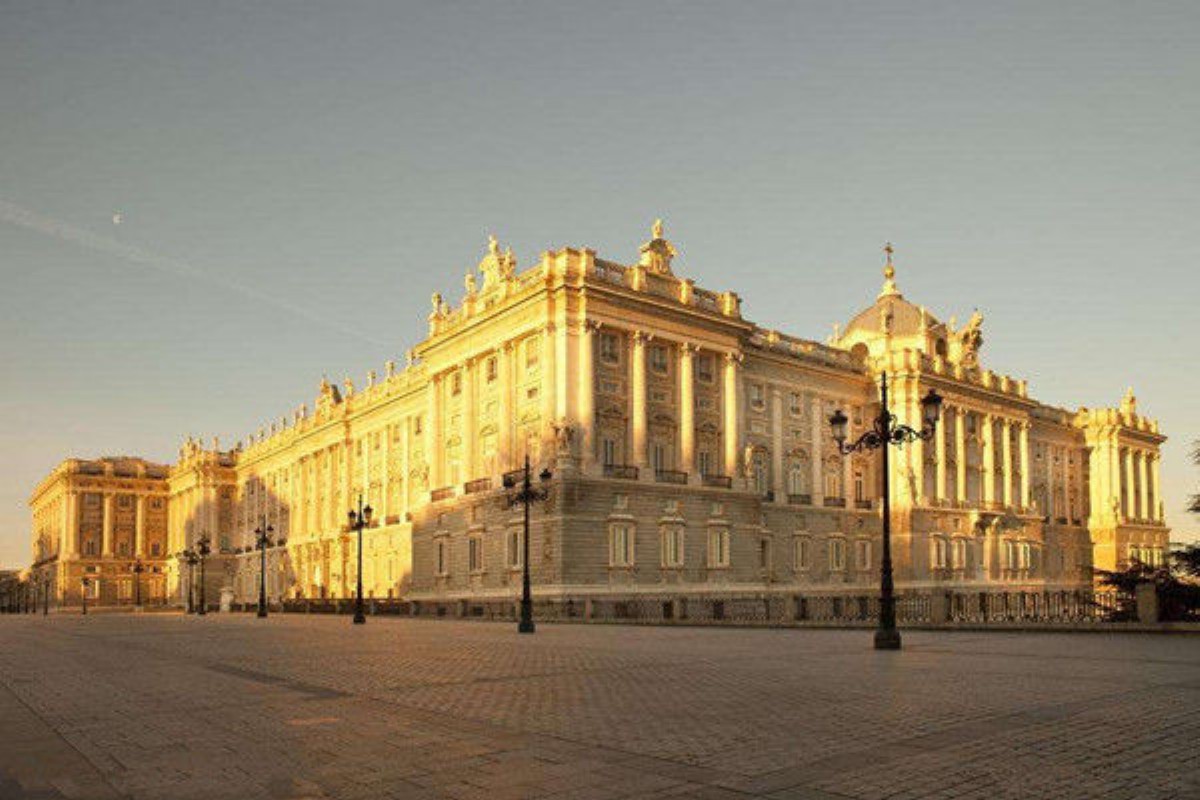
Meanwhile, the small Christian kingdoms in the north began the long ‘Reconquista.’ This nearly eight-century-long struggle shaped the resilient, martial, and devoutly religious character of the Spanish people.
The Empire on Which the Sun Never Sets: The Golden Age
In 1492, with the fall of Granada and Columbus’s discovery of the New World, Spain reached its zenith—the invincible ‘Golden Age.’ Fueled by immense amounts of gold and silver from the Americas, Spain established the first ‘empire on which the sun never sets.’ During this period, Spain excelled in military, political, and artistic endeavors. The famous Cervantes and his Don Quixote, and the painter Velázquez, are all products of this era.
| Historical Period | Key Figures | Major Events |
|---|
| End of the Reconquista | Isabella I & Ferdinand II | Unification of Spain, funding Columbus’s voyage |
| Peak of the Empire | Charles I / Philip II | Establishing a global empire, fighting the Ottomans and Protestantism |
| Artistic Golden Age | Cervantes / Velázquez | Literature and art reach their peak |
Modern Turmoil and Spain Today
The empire’s glory, however, did not last forever. The defeat of the Spanish Armada, royal extravagance, and constant warfare—not to mention questions about the real appearance of historical Spanish figures—led to its gradual decline. The Napoleonic invasion in the 19th century and the brutal Civil War in the 20th century left deep scars on the nation. Fortunately, after the end of Franco’s dictatorship, Spain smoothly transitioned into a constitutional monarchy and a democratic state, joining the European Union and finding renewed vitality. The free, diverse, and vibrant Spain we experience today is the result of all this accumulated history.
So, after reading this, do you have a deeper understanding of the land beneath your feet? Which era interests you the most? Or what historical places have you visited on your travels in Spain? Feel free to leave a comment and discuss below!
