A Complete Guide to Spanish History: From Roman Province to Modern EU Member
When I first came to Spain, I thought it was all about sun, beaches, tapas, and paella. But after living here for a while, I discovered that this country’s history is more incredible than any novel! Every time I visit a new city, whether it’s the Alhambra in Granada or the Cathedral in Seville, there’s a profound story behind it. Today, I’m starting this thread to break down the complex and fascinating history of Spain with you all, to help us better understand the land beneath our feet.
Spain’s history is inseparable from the Mediterranean. The ancient Romans were the first to turn this land into a province of their empire, a topic covered in The formation and development of Spanish history
. They introduced Latin, law, and major engineering works. You can still see Roman aqueducts and theaters in many places today. After the fall of the Roman Empire, the Visigoths from the north took over, but their rule was short-lived because an army from North Africa soon crossed the Strait of Gibraltar.
In 711, the Moors landed on the Iberian Peninsula, beginning a period of nearly 800 years of Islamic rule known as ‘Al-Andalus’. This period had a profound impact on Spain, especially in the south. They brought advanced irrigation techniques, mathematics, medicine, and philosophy, creating a brilliant civilization. Many of Spain’s iconic landmarks, like the Mosque-Cathedral of Córdoba and the Alhambra in Granada, are masterpieces from this era. This history also infused Spanish culture, art, and even language with a rich Arab flavor.
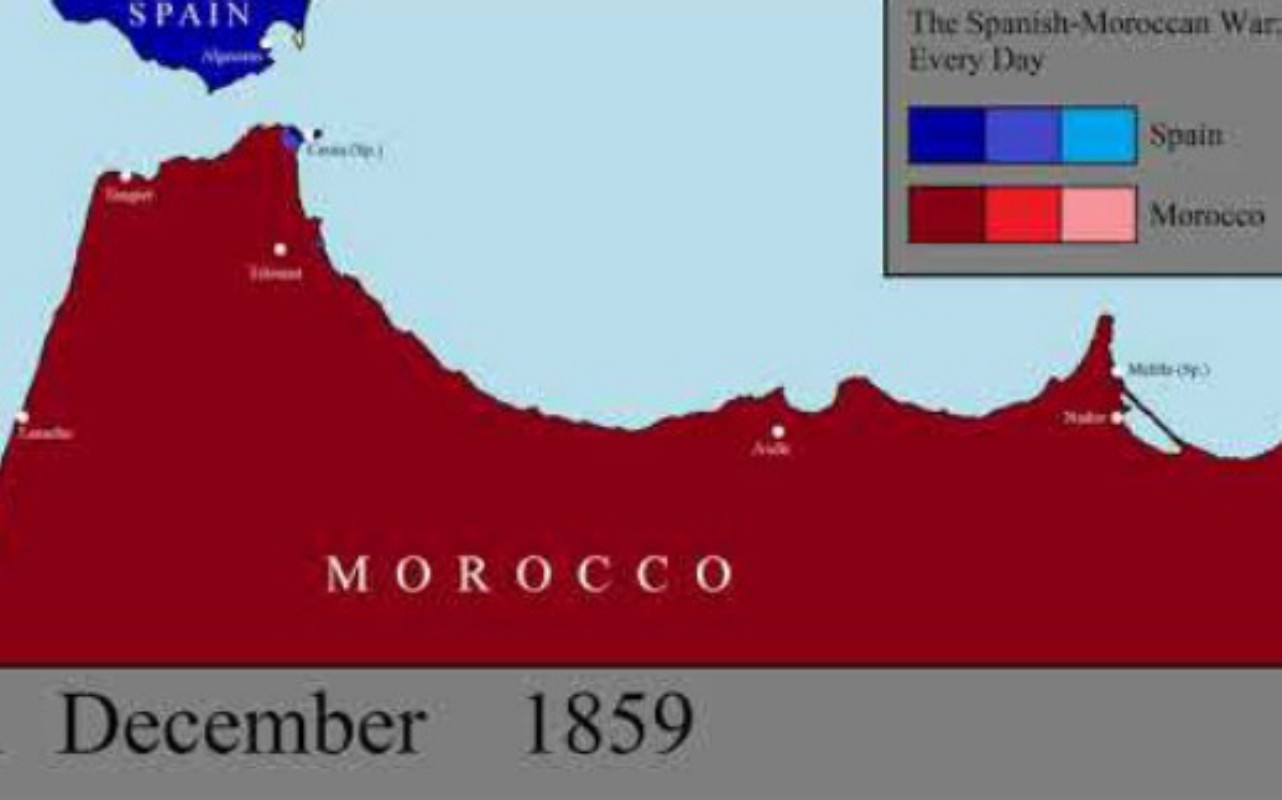
Meanwhile, the small Christian kingdoms in the north were not idle; they launched a long and arduous ‘Reconquista’ (Reconquest). This campaign lasted for centuries until 1492, when the marriage of Isabella I and Ferdinand II united most of Spain. They conquered Granada, the last Moorish stronghold. It was also in that same year, as detailed in this an analysis of Spain’s historical development, that they funded Columbus’s voyage. This expedition, a key part of the story of Columbus and Spain’s historical development, unexpectedly led to the ‘discovery’ of the Americas, ushering in Spain’s ‘Golden Age’. Vast amounts of gold and silver were shipped back from the Americas, and Spain became the world’s most powerful ‘empire on which the sun never sets’.
But no empire lasts forever. After the War of the Spanish Succession, the defeat of the Spanish Armada, and years of conflict, Spain gradually lost its naval supremacy. Its modern history was even more turbulent, with the monarchy and republic alternating, culminating in the brutal Spanish Civil War in the 20th century, followed by decades of Franco’s dictatorship. It wasn’t until Franco’s death in 1975 that Spain smoothly transitioned to a constitutional monarchy and a democratic system. It joined the European Economic Community in 1986, heralding a new era of development.
To help you get a clear picture, here’s a simple timeline:
| Period | Approximate Time | Key Events |
|---|
| Roman Rule | 218 BC - 5th Century AD | Foundation of Latin, law, road networks |
| Visigothic Kingdom | 5th Century - 711 AD | Christianization, but internal strife |
| Moorish Period | 711 - 1492 AD | Flourishing of Islamic civilization, peak of science and art |
| Reconquista | 722 - 1492 AD | Christian kingdoms gradually expand southward |
| Spanish Empire | 16th-17th Centuries | Discovery of the New World, becoming a world power |
| Modern & Contemporary Era | 18th Century - Present | Decline of the empire, civil war, democratic transition, joining the EU |
So there you have it, a broad outline of Spanish history! From the fusion of Roman, Gothic, and Moorish civilizations to the rise and fall of an empire and the rebirth of a modern democratic nation. Now that you know all this, doesn’t visiting those historical sites feel completely different? Let us know which period interests you the most, or if you have anything to add, in the comments below
!
