Hey everyone! After spending so much time in Spain, I guess no one can resist the temptation of Jamón Ibérico, right? Every time I order a plate at a restaurant or see a whole leg hanging in the supermarket, I’m curious about how this delicacy is made. Recently, I did some research, and today I’d like to share with you the entire birth journey of this Spanish national treasure with pictures and text.
The Beginning: Happy Iberian Black Pigs
First of all, not every pig can become Iberian ham. The star must be a purebred Iberian black hoof pig. The most prized is the acorn-fed grade. Every autumn during the acorn season, these pigs are free to roam the oak forests and enjoy fallen acorns. It is precisely these Spanish ham Iberian ham that give the ham its unique nutty aroma and melt-in-your-mouth fat. In comparison, pigs raised on grains and fodder have a less distinctive flavor.
Craftsmanship: The Transformation from Pig Leg to Dining Table
After selecting quality hind legs, the next step is a long and meticulous production process for the Spanish ham Iberian beef ham, generally divided into several core stages ham Spain Iberian:
1. Salting
The pig leg is completely covered with sea salt to dehydrate it through osmosis and provide initial preservation. This process usually depends on the leg’s weight, about one kilogram per day.
2. Resting and Drying
After washing off the excess salt, the ham is placed in a low-temperature, high-humidity room to rest for several months, allowing the salt to evenly penetrate. Then it is moved to a ventilated drying room for natural air drying, which can last several months while moisture further evaporates.
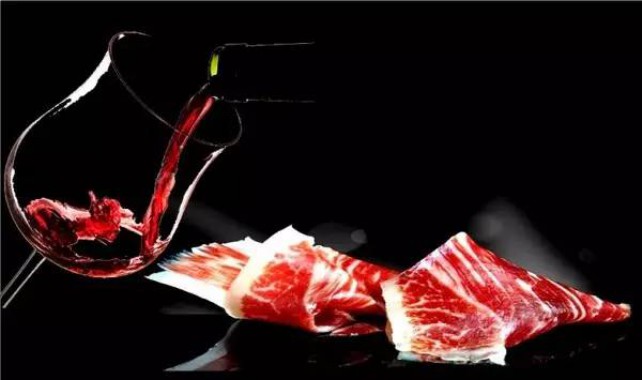
3. Cellar Aging
This is the most crucial step! The ham is transferred to an underground cellar with constant temperature and humidity for years of maturation. During this period, complex biochemical reactions occur inside the ham, fats transform, and unique aromas and flavor compounds gradually develop.
How to Read a Ham’s “ID Card”?
When buying ham in Spain, you will see different color labels that indicate its grade. Understanding these will prevent you from making a wrong choice!
| Label Color | Spanish Name | Pig Breed and Feeding Style |
|---|
| Black | Bellota 100% Ibérico | 100% purebred Iberian pig, acorn-fed |
| Red | Bellota Ibérico | 50% or 75% Iberian crossbreed, acorn-fed |
| Green | Cebo de Campo Ibérico | Iberian crossbreed, pasture-raised with feed |
| White | Cebo Ibérico | Iberian crossbreed, farm-raised with feed |
A top-tier Iberian ham embodies a significant investment of time and dedication from pig rearing to final aging; it is truly a crystallization of Spain’s climate and artisan spirit, which explains its high price. Which grade of ham do you usually prefer? Do you have any recommended brands or trustworthy purchase channels? Feel free to leave your comments below!
