Hello everyone! Since arriving in Spain recently, I’ve completely fallen for the country’s national treasure, Iberian ham. But at first, I was really confused. Walking into supermarkets or ham shops, looking at rows of hanging legs and the various labels, I had no idea where to start. I’m sure many of you have faced the same dilemma.
After some “hard” research, I finally got the hang of it. Today, I want to share my beginner’s tips with you, hoping to help fellow “ham novices”!
First: What exactly is Iberian Ham?
Simply put, Iberian ham is made from the hind legs of the Iberian black hoof pig, a breed unique to Spain. Note, this is very different from the more common and cheaper Serrano ham found in supermarkets, which comes from regular white pigs. The flavor, texture, and price are worlds apart! So, the idea that all Spanish ham is called Iberian ham is actually wrong!
The key step: Understanding the ham’s “ID card” — the color labels
To buy authentic and satisfying Iberian ham, the most important skill is to understand the color-coded plastic tags on the ham’s ankle. This is an official classification system set by the Spanish Iberian Ham Production government in 2014 — clear at a glance!
| Tag Color | Spanish Name | Pig Breed Purity | Rearing Method | Easy to Remember |
|---|
| Black | 100% Ibérico de Bellota | 100% purebred | Acorns, natural pastures | Top tier, the king level! |
| Red | Ibérico de Bellota | 50% or 75% Iberian | Acorns, natural pastures | Noble level, also excellent |
| Green | Ibérico de Cebo de Campo | 50% or more Iberian | Pasture with grain feed | Rustic style, great value |
| White | Ibérico de Cebo | 50% or more Iberian | Grain-fed in pens | Entry level, everyday use |
So, next time you buy Spanish Iberian ham, just check the color to avoid being misled! The black and red Bellota grades come from pigs that roam freely during acorn season, giving the ham a unique nutty aroma and a marble-like fat distribution.
The art of tasting: How to eat it authentically?
For premium Iberian ham, the most authentic way is to eat it raw! It must be hand-sliced into thin almost translucent slices. Before eating, let it sit at room temperature for 15-20 minutes so the fat slightly melts and the aroma fully releases.
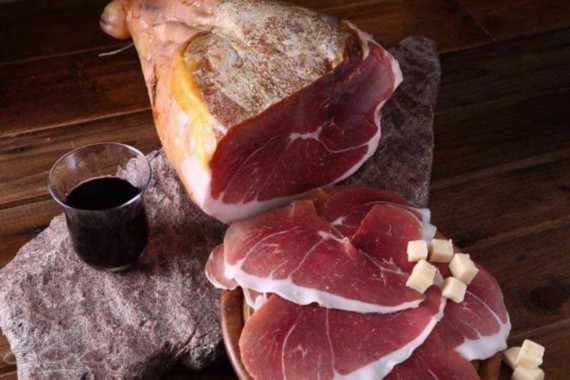
You can simply pinch it with your fingers and enjoy the delicate texture melting in your mouth. It also pairs wonderfully with a bit of bread, a small glass of red wine, or Fino sherry—the taste is amazing! ¡Qué rico!
Where to buy?
Supermarkets sell pre-sliced, conveniently packaged ham. But for a more authentic experience, I recommend specialty ham shops or large downtown markets. In these places, you can see the experts slicing ham live, and usually with Spanish ham Iberian beef ham, you can ask to taste a small sample before deciding which to buy. Don’t be shy—just boldly say to the staff, “¿Puedo probar?”
Hope this guide helps! Which ham grade do you like best? Or do you have any unique pairing tips? Feel free to leave a comment below to discuss!
