When I first arrived in Spain, I often heard about Jamón Ibérico and knew it was a national treasure delicacy. But shopping at supermarkets and markets left me completely puzzled—why are some hams ridiculously expensive while others are more affordable? After deeply chatting with local friends, I discovered the biggest secret lies in the “luxury” menu of Iberian black pigs! Today, from a foodie’s perspective, let’s talk about what these “chosen pigs” actually eat to grow.
The National Treasure Pig’s Top “Michelin” Menu
When it comes to Iberian black pigs, the first thing that comes to mind is acorns. That’s right: for the highest grade of black pigs, acorns are the “main course.” Every year from autumn to early spring, during the period called Montanera, the lucky selected pigs are freely raised in vast Dehesa pastures—oak forests where they roam freely. Their daily main task is to eat, eat, and eat! They consume large amounts of acorns, as well as grasses, tubers, and various herbs. This all-natural diet combined with lots of exercise allows fat to infiltrate the muscle tissue, creating beautiful marbled patterns. Even more fascinating, acorns are rich in oleic acid, a component similar to olive oil, so the fat in top-tier Iberian ham is healthy, and the Spanish black pig ham slices carry a unique nutty aroma.
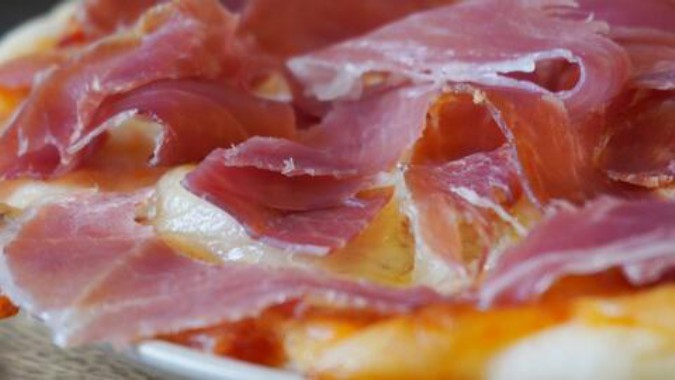
However, a common misconception is that all Iberian black pigs eat acorns. This is not true! Depending on different feeding methods and standards, the diet and living conditions of Iberian pigs vary greatly, which directly determines the final ham grade and price. Besides the top-grade acorn-fed pigs used for Spanish black pig ham sausages, there are two other main types.
Different Grades, Different Pig “Lives”
To make it clearer for everyone, I compiled a simple table showing the diet and rearing methods of different grades of Iberian black pigs. Next time you buy ham, just check the keywords on the label to avoid getting scammed!
| Grade | Main Food | Rearing Method |
|---|
| 100% Ibérico de Bellota | Acorns, grass, herbs | Fully free-range on natural pastures |
| Cebo de Campo Ibérico | Mainly grains and legumes, supplemented with grass and acorns | Partial free-range in fields or pastures |
| Cebo Ibérico | Grain and legume feed | Farm-raised in enclosures |
Simply put, Cebo de Campo grade pigs can be understood as “semi-free-range grain-fed pigs”; they have some room to move and, in addition to the grain feed in their diet used for Spanish black pig ham production, they also eat some natural foods, making their flavor better than the fully farm-raised Cebo grade. The Cebo grade pigs, on the other hand, are raised on specially formulated grain and legume feed inside farms, grow faster, yield more, and naturally have the most affordable price.
So, next time when facing a row of tempting hams, don’t just look at the price! Check for labels like “Bellota,” “Cebo de Campo,” or “Cebo,” and you’ll know what kind of life the pig lived and what kind of “delicacies” it ate. Do you usually pay attention to labels when buying ham? Which grade’s flavor do you like the most? Feel free to leave your comments below and discuss!
