Friends new to Spain, have you ever been tempted by the impressive whole black pig ham in the supermarket? I certainly was — I carried one home, only to be totally confused by that tough, dark skin, not knowing where to cut! I nearly tried hacking it with a kitchen knife. After a few painful lessons and some tips from local friends, today I want to share the proper technique for peeling the ham!
Preparation: Sharpening Your Tools Before Cutting the “Leg”
Having the right set of tools is half the success. Don’t think you can do it with just a regular Chinese kitchen knife; professional tools make the job much easier and Spanish black pig ham slicing far safer. Before starting, make sure you have these essentials:
Essential Tools List
| Tool Name | Purpose |
|---|
| Ham holder | Fixes the ham securely; safety first! Prevents the ham from rolling and injuring your hand during operation. |
| Wide-blade peeling knife | Mainly used to peel off large areas of the tough rind and the yellow fat layer. |
| Long, narrow ham knife | Used for slicing ham; also helps refine details during the peeling stage. |
| Sharpening rod | Keeps your knives sharp; a dull knife is more dangerous! |
Practical Steps: Three Steps to Tackle Stubborn Outer Skin
Once prepared, you can start “dissecting” this culinary masterpiece. First, firmly secure the ham on the holder, usually with the hoof facing upward, starting with the richer rear leg.
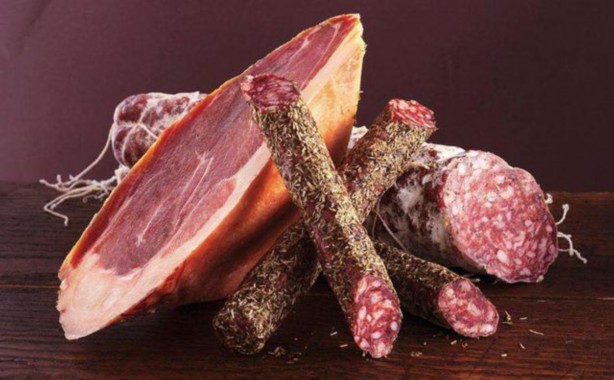
Use the wide-blade knife at a near-horizontal angle to begin cutting from your starting point, slicing off the outer tough skin and the yellow fat layer. This fat, having been exposed to air for a long time, has oxidized and developed a rancid smell; it must be completely removed, or it will severely affect the ham’s flavor! As shown in the picture below, be patient and take your time.
Remember the most important rule: peel as much skin as you plan to eat. Never try to remove all the skin at once! The exposed ham meat will quickly dry out and harden, ruining the texture. Don’t throw away the white fat you slice off — this is a treasure for Spanish black pig chorizo! Cover the freshly cut ham surface with it, then wrap with cling film or a clean cloth to effectively prevent the ham meat from drying and oxidizing.
Peeling the ham is a skillful job, but also an enjoyable experience. What you savor is not only the flavor; Spanish black pig ham production also involves this ritualistic process. Have you encountered any weird problems or unique secrets while slicing your ham? Feel free to leave a comment below to share and become a ham expert together!
