A Quick Chat: When Exactly Is Spanish Ham Made?
When the weather gets cold lately, I crave that salty, savory, and oily Spanish ham. Sliced paper-thin, paired with a glass of red wine, it’s simply heavenly. While enjoying it, I suddenly wondered: when exactly is this delicious Jamón made? Can it be produced all year round? After some research, I found there’s quite a bit of nuance, and I’d like to share it with you.
In fact, traditional handcrafted Spanish ham, especially top-tier Iberian ham, has a very seasonal production cycle. The entire process starts at a specific time called Montanera, the acorn fattening period. This period usually runs from October to March of the following year, during which Iberian black pigs are free-range in oak forests, feasting on acorns. This is not only to fatten the pigs but also to let the unique flavor and fat of the acorns permeate every cell of the meat. This is the cornerstone of the premium flavor in Spanish ham production process.
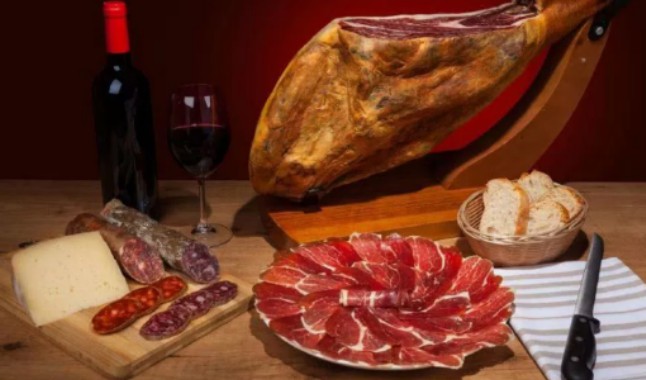
Once the pigs are well-fattened and robust, the golden season for making ham arrives, which corresponds to the autumn and winter seasons in Spain. This season is traditionally called “La Matanza”, the classic slaughter season. Why this season specifically? The answer is simple: weather. Spain’s inland winter features low temperatures and low humidity, creating a natural “refrigerator” and “dehumidifier” environment ideal for ham production. Fresh pig legs are salted and initially air-dried in these conditions, minimizing bacterial growth and promoting slow, even dehydration, laying a perfect foundation for the years-long curing process.
It’s safe to say that summer is absolutely unsuitable; heat and humidity are ham production’s worst enemies. So, if you want to experience the freshest ham-making atmosphere, make sure to visit famous ham regions like Jabugo or Guijuelo during the autumn and winter seasons, where the air is filled with a distinctive aroma.
Overview of the Ham Production Timeline
To clarify, I’ve made a simple table summarizing the key stages of top-quality Iberian ham production:
| Stage | Approximate Time | Core Task |
|---|
| Acorn Fattening | October - March | Pigs fattening in oak forests, acquiring unique flavors |
| Slaughter & Butchering | November - February | Processing using cold winter temperatures |
| Salting & Washing | Winter | Dehydrating and preserving with sea salt |
| Air-drying & Curing | Lasting 2 to 4 years or longer | Slow fermentation in natural cellars to develop flavor |
Therefore, every slice of ham we enjoy today embodies at least two to three years of care, and the Spanish ham production journey always begins in a specific autumn or winter season. Have you ever visited a ham factory or do you have a favorite ham brand? Feel free to share your experiences and thoughts below!
