When I first arrived in Spain, what shocked me the most was the spectacular rows of pig legs hanging everywhere—in supermarkets, markets, and even small taverns. For us Chinese, ham is not unfamiliar, but the Spanish passion and expertise for ham are definitely world-class. Today, let’s talk about how this fascinating Spanish ham is made.
Step One: Selection and Salting
Everything begins with a pig. Spanish ham mainly divides into two types: one made from precious Iberian black-hoofed pigs called Jamón Ibérico, and the other made from common white-hoofed pigs called Jamón Serrano. After selecting the leg, the first step is to cure it with sea salt. Workers completely cover the pig leg with salt to dehydrate, preserve, and initiate the first stage of flavor transformation. This process may seem simple but greatly influences the subsequent flavors.
The Secret of Salting Duration
The curing time isn’t arbitrary but strictly calculated based on the pig leg’s weight, usually about one day per kilogram. One extra day results in excess saltiness; one day less risks spoilage.
| Weight | Recommended Salting Days |
|---|
| 7-8 | 7-8 days |
| 9-10 | 9-10 days |
| 11+ | 11-12 days |
Step Two: Washing and Settling
After curing, the excess salt on the surface is washed off with warm water. Then comes the settling phase, lasting about 40 to 60 days. The pig legs are hung in a low-temperature cold storage with strictly controlled temperature and humidity. The goal is to allow the salt to distribute more evenly throughout the muscle tissue while the legs continue to slowly lose moisture, preparing for the next maturation stage.
Step Three: Drying and Aging
This is the most crucial phase for developing the ham’s flavor! The legs are moved to a natural drying room called “Secadero.” These drying rooms usually have windows that open and close to adjust ventilation through Spanish ham production method using natural air to dry the ham. During this process, as seasonal temperatures fluctuate, the legs begin to “sweat,” with fat gradually melting and penetrating muscle fibers, creating the beautiful marbled fat. This forms the unique aroma and buttery texture of the ham.
Step Four: Cellar Aging
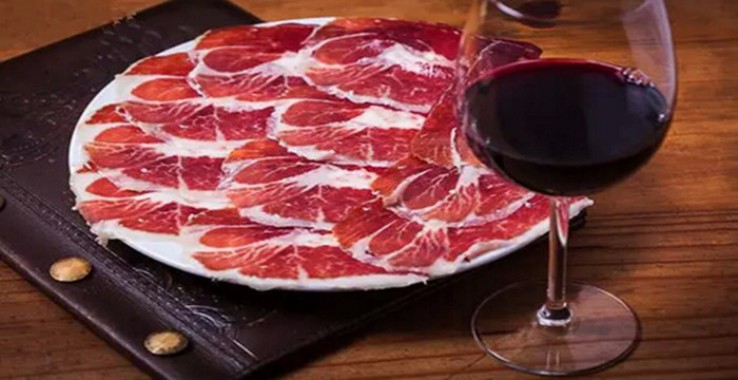
The final and longest step is to transfer the ham into underground cellars with mild winters and cool summers for the final maturation. Here, during Spanish ham production, harmless molds gradually grow on the ham, acting as guardians and imparting complex, deep nutty and floral notes. Jamón Serrano typically matures for 12–15 months, while top-quality acorn-fed Jamón Ibérico requires a long wait of 36 or even 48 months. So, the idea expressed in Spanish ham production tutorial, that all hams are basically the same is totally wrong!
From a pig leg to a tender, melt-in-your-mouth delicacy, the entire process is full of Spanish wisdom and respect for time. Which type of ham do you like best? Do you have any recommended brands or shops? Feel free to share your thoughts in the comments below!
