Having been in Spain for a while, eating Jamón every day, do you know how this delicacy is made? Recently, my curiosity exploded and I did some research, discovering the process is quite meticulous. Today, let’s reveal the Spanish ham production process!
It all starts with pork legs and a large amount of sea salt. Fresh hind legs are completely buried in sea salt, and depending on the weight of the leg, this lasts about one to two weeks. The goal is dehydration and preservation, which is the foundation of the flavor in Spanish ham production and is also the oldest step.
After salting, the ham is cleaned and then hung in a room with low temperature and high humidity to “rest” for one to two months. During this stage, the salt slowly penetrates the interior of the leg, balancing the saltiness inside and out. This step is very crucial as it directly affects whether the ham’s final texture and flavor will be balanced.
Next comes the long drying and curing phase. The ham is moved to a ventilated storage cellar, where it relies purely on natural wind and temperature for “seasoning”. With the changing seasons, the ham slowly releases oils, and its fat permeates muscle fibers, forming its unique aroma and taste. This process takes at least six months.
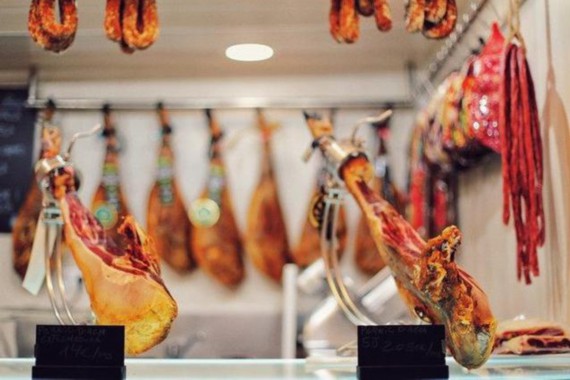
The final step is cellar aging. The ham is hung in a cellar with very stable temperature and humidity for its final maturation. The longer it ages, the more complex and mellow the flavor becomes. A top-quality Iberian ham can take three to four years for the whole production cycle! It truly is an art of time No, it’s the art of time!
A Brief Guide: Serrano vs Iberian
Many people confuse these two types of ham, but the main differences lie in the pig breed and feeding method. Here’s a table to help you understand.
| Feature | Serrano Ham | Iberian Ham |
|---|
| Pig Breed | Ordinary white pig | Iberian black hoof pig |
| Feed | Regular grain feed | Grain or acorns |
| Color | Leaning pinkish | Darker, deep red |
| Price | More affordable | Expensive |
Feel like your ham tastes better after reading this? Although it’s hard for home cooks to replicate the entire process, understanding the craftsmanship behind the Spanish ham making tutorial helps you appreciate its value even more. Do you know any interesting facts about Jamón? Feel free to share in the comments!
