Lately, I was craving some Spanish ham and bought a pack of sliced ham at the American supermarket Costco—salty, oily, and really tasty! However, while eating custom Spanish ham calories, doubts started creeping in: is this high in calories? After all, it’s cured meat with a fair amount of fat. I wondered whether the “genuine” Spanish ham available in the US differs nutritionally or calorically from what’s consumed in Spain. I did some research and here I share it at Spanish ham calories.
Types of Spanish Ham and Basic Calorie Info
First, it’s important to understand that Spanish ham mainly comes in two categories: Serrano and Iberian. Serrano ham is made from white pig legs, generally more affordable, lower in fat, and has a salty flavor. Iberian ham comes from the prized Iberian black-hoofed pigs and is graded based on feeding methods. The fat content is higher, especially the Bellota grade, which is acorn-fed and has beautiful marbled fat that melts in your mouth—but naturally, it has more calories.
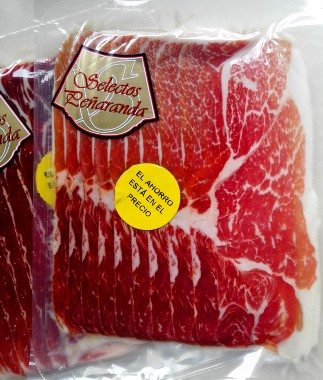
Common Spanish Ham Calorie Comparison
For clarity, I compiled a simple table with calorie data estimated from various nutrition sites and product packaging, linked at calories after eating Spanish ham. Different brands may vary slightly, but this serves as a good reference. All values are per 100 grams; typically, we eat just a few slices totaling about 20-30 grams.
| Ham Type | Approx. Calories | Fat (g) | Protein (g) |
|---|
| Serrano Ham | 240-280 | 15 - 18 | 30 - 33 |
| Iberian Ham | 300-350 | 22 - 25 | 28 - 31 |
| Acorn-fed Iberian Ham | 370-460 | 30 - 38 | 29 - 34 |
From the table, if you are someone watching your weight focused on body management, choosing Serrano ham is a lighter option if you want a treat. Iberian ham, especially the top-tier Bellota, has higher calories and fat content but most of that fat is “good fat”—mostly monounsaturated fatty acids, similar to olive oil, which is beneficial for cardiovascular health. So the key is to enjoy it in moderation!
Spanish ham is not a scary “calorie bomb.” It is rich in high-quality protein, and even its fat carries nutritional benefits. Usually served as an appetizer with melon or bread, or added to salads, it is both delicious and flavorful. As long as portion sizes are controlled, it can easily fit into a healthy diet. What brands of Spanish ham do you usually buy in the US? Any recommendations or pitfalls? Feel free to leave comments below for discussion!
