Shortly after arriving in Spain, every time I walked through the supermarket and saw those rows of hanging whole hams, my mouth almost watered. I kept thinking about when I could carry one home myself and finally achieve “ham freedom”! Last month, I finally made up my mind, but when I got to the ham section, I was stunned by prices ranging from tens to hundreds of euros, and countless names that left me clueless where to start. After some research and trial and error, I managed to figure out some tips, and today I want to share how beginners can select a whole Spanish ham.
Understand the Two Main Types: Serrano vs. Ibérico
The most basic difference, and the key to their vastly different prices, is the breed and rearing method of the pigs. Serrano comes from white pigs, while Ibérico uses the unique Spanish black-hoofed pig. I made a simple table for clarity:
| Feature | Serrano Ham | Ibérico Ham |
|---|
| Pig Breed | Common white pig | Iberian black-hoof pig |
| Rearing | Mainly grain-fed | Grain-fed or free-range on acorn fields |
| Taste | Leaner meat, saltier flavor | Rich in fat, melts in your mouth, nutty aroma |
| Price | Affordable, for daily use | Expensive, considered a luxury |
The “Four-Color” ID of Ibérico Ham
If your budget allows and you want to go straight for Ibérico, you must understand the color of the plastic tags hanging on the leg. They represent the breed purity and rearing method, directly determining quality and price!
■ Black Tag : Top grade! 100% purebred Iberian black pig, Spanish whole ham recommendations raised free-range on acorn forests, fed on acorns. This is the true “acorn ham”, and also the most expensive.
■ Red Tag : Also excellent quality. At least 50% Iberian blood, similarly free-range on acorn fields. A good value choice.
■ Green Tag : Crossbred Iberian pigs, semi free-range in fields, fed grain and some natural plants.
■ White Tag : Entry-level Ibérico. Crossbred Iberian pigs fed exclusively on grain in farms. Although Ibérico, it cannot compare to the acorn-fed flavor.
So where to buy? Large supermarkets like Mercadona and Carrefour offer many options at transparent prices, often with discounts on whole legs, including a ham stand and knife, perfect for beginners like me, although the knife might not be very good. For top quality or expert selection, specialized ham shops are best; the shop owner will give you professional advice, but prices will be higher.
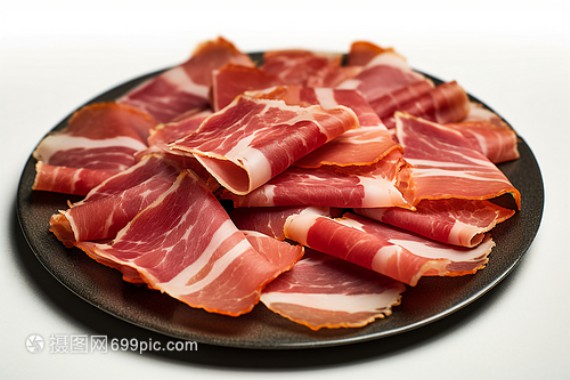
For friends just starting with buying whole Spanish ham, or those who just want to taste, buying a Serrano ham for a few tens of euros is entirely enough. If your budget allows and you want to experience the charm of Ibérico, you can start with the white or green Cebo grade. After bringing it home, remember to cover the cut surface with cling film to prevent drying. I hope my sharing helps! What kinds of hams have you bought? Any recommendations or pitfalls to share? Let’s discuss!
