Every time I browse a supermarket or visit a Tapas bar and see those rows of glossy, aromatic Spanish hams, I can’t help but salivate. It feels like slicing a plate and pairing it with a glass of red wine is the ultimate indulgence. But have you ever wondered how this delicious product, shaped by terroir and time, is actually made? Today, from a food lover’s perspective, let’s talk about the birth of this “national treasure leg” — it’s truly more complex and meticulous than you might imagine!
Step One: Selection and Trimming
The foundation of all great flavor lies in the ingredients themselves. The finest Jamón Ibérico must be made from Iberian black-hoofed pigs. These pigs roam the Mediterranean oak forests and feed on acorns, which gives their meat a unique nutty aroma. When the hammasters receive fresh pig hind legs, they carefully trim them using V-shaped cuts to remove excess fat and skin — this is not only for appearance but also to ensure the salt penetrates evenly in later steps.
Step Two: Salting and Washing
The trimmed ham legs are fully buried in coarse sea salt to cure. This is a crucial step for Spanish cured ham. Salt acts not only as a natural preservative but also as the starting point for developing the ham’s flavor. The salting duration is typically calculated as “one day per kilogram” according to the ham’s weight. Once the time is up, the ham is immediately removed and carefully washed with warm water to remove excess surface salt. This process is not just a random salting; precise control is essential, or the ham may become too salty or spoil easily.
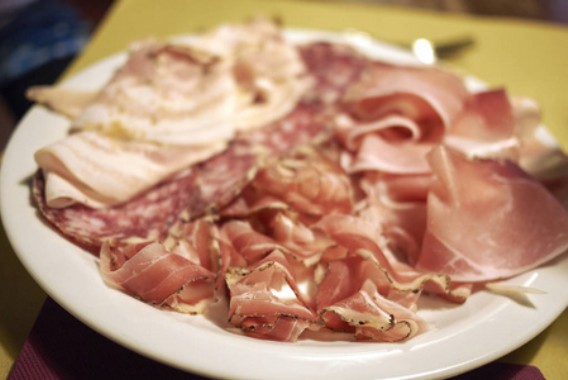
Step Three: Balancing and Drying
After washing, the ham is hung in a room where temperature and humidity are strictly controlled. This phase is called the “balancing period,” aimed at evenly distributing salt throughout the ham and allowing initial moisture evaporation. After about one to two months, the ham is moved to a natural drying room known as “Secadero.” Here, simply by opening windows to let in fresh mountain air, the ham embarks on its long process of dehydration and maturation, which can take several months.
Step Four: Cellar Aging
The final and most magical step is transferring the ham to an underground cellar called the “Bodega” for final aging. Here, Spanish ham drying altitude conditions maintain stable temperature and humidity year-round. The ham stays here for Spanish cured ham consumption one to three years or even longer! During this long period, chemical reactions between proteins and fats occur inside the ham, and microbial flora impart complex, profound aromas with a melt-in-the-mouth texture. Each ham requires master craftsmen to regularly inspect, flip, and oil it, just like caring for a baby.
| Production Stage | Main Purpose | Approximate Duration |
|---|
| Salting | Preservation and initial dehydration | About 10-15 days |
| Balancing | Even salt distribution | About 40-60 days |
| Drying | Natural drying, flavor development | About 6-9 months |
| Cellaring | Deep aging, flavor enhancement | 12-48 months |
After reading the entire process, don’t you find every slice of ham in your hand extraordinarily precious? It is not just food but a work of art representing Spanish craftsmanship and time. Which ham-producing region’s ham do you prefer? Guijuelo or Jabugo? Feel free to share your thoughts below!
