Hello everyone, I’ve been in Spain for some time now, and besides Spanish dry-cured ham, and seafood paella, one of the most iconic foods that you see everywhere here is Jamón. At first, it was really overwhelming—with supermarket shelves full of it, prices ranging anywhere from tens to over a thousand euros, I had no idea where to start. After making some mistakes, today I want to share some beginner tips that I hope will help newcomers.
Understanding the Two Main Types: Serrano and Ibérico
The most common and affordable is Serrano ham. It’s made from regular white pigs, dry-cured and salted. The color is more pinkish, the taste straightforward, and it has a stronger salty flavor. Usually, people buy it at the supermarket for sandwiches with baguette or as an ingredient in cooking—it’s very cost-effective. If your budget for Spanish dry-cured ham is limited or you just want to try casually, this is a safe choice.
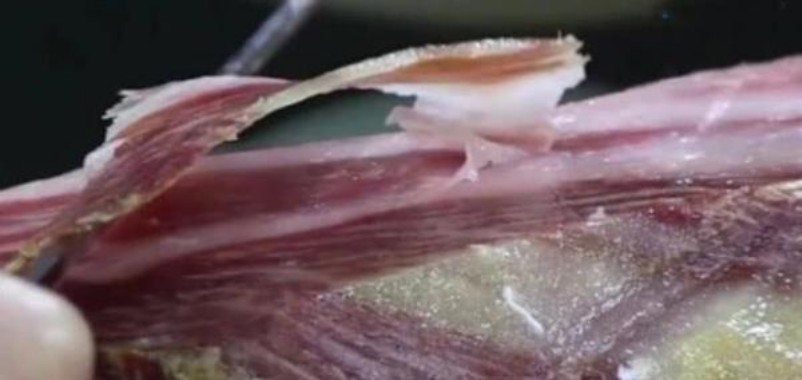
What truly makes Spanish ham famous worldwide is Ibérico ham. It’s made from precious Iberian Black pigs, which are free-range in oak forests and feed on acorns. That’s why Spanish dry-cured ham eating offers meat with a unique nutty aroma and marbling resembling marble patterns. Naturally, it’s much more expensive, but the melt-in-your-mouth texture is definitely a top-tier experience for your taste buds!
The “ID Card” of Ibérico Ham: Understanding Color Labels
To distinguish different grades of Ibérico ham, Spain has strict legal regulations using different color labels to indicate the pig’s lineage and breeding method. Memorize this table, so you won’t get tricked when buying:
| Label Color | Spanish Name | Meaning |
|---|
| Black | Bellota 100% Ibérico | Top quality! 100% pure Iberian pig, acorn-fed freely in oak forests |
| Red | Bellota Ibérico | Crossbreed Iberian pig, acorn-fed freely in oak forests |
| Green | Cebo de Campo Ibérico | Crossbreed Iberian pig, free-range, feeds on grains and acorns |
| White | Cebo Ibérico | Crossbreed Iberian pig, farm-raised, fed grain-based feed |
For premium Ibérico ham, the recommended way to eat it is freshly sliced and eaten as is—no accompaniments—just hold it with your hand and feel the fat melt on your tongue releasing the aroma. Of course, pairing it with a slice of toasted bread, a piece of melon, or a glass of red wine is also perfect. After buying, never refrigerate it! It will ruin its flavor and texture. Just hang it in a cool, ventilated place. For pre-sliced ham, it’s best to finish it quickly.
Which type of ham do you usually buy? Any favorite brands or ways to enjoy it? Let’s chat and share!
