For friends new to Spain, have you ever been confused in the ham section at the supermarket? Looking at rows of hams with black, red, green, and white plastic tags hanging on them, it can feel overwhelming. When I first arrived, I was completely lost. These four colors actually represent the official ID cards of Spanish Ibérico hams, indicating different quality grades. Today, let’s dive into the red label, which ranks just below the top-tier black label!
Many people mistakenly think the red label indicates medium-quality ham. In fact, this is a big misunderstanding as explained in Spanish Red Label Ham Recommendations! The red label also represents the top-grade “acorn-fed” level, the same diet as the most expensive black label ham! So why is it red instead of black? The main difference lies in the pig’s “breed purity.”
Red Label Ham Explained
Pig Breed
According to Spanish law, hams with the red label must come from pigs with 50% or 75% Iberian lineage. This usually means the mother is a 100% pure Iberian sow, and the father is either a Duroc pig or an Iberian-Duroc crossbreed. By contrast, the highest black label requires both parents to be 100% pure Iberian pigs. This breeding difference is the core distinction between the red and black labels.
Feeding Method
This is crucial! Pigs with red labels, like those with black labels, enjoy the most luxurious “acorn feast.” During the fattening season in autumn and winter, they roam freely in oak wood pastures, feeding on natural acorns and grasses. This unique feeding method gives the ham its incomparable nutty aroma and melt-in-your-mouth fat marbling. So when checking out How to Eat Spanish Red Label Ham, remember, seeing the red label means you are buying genuine acorn-fed ham!
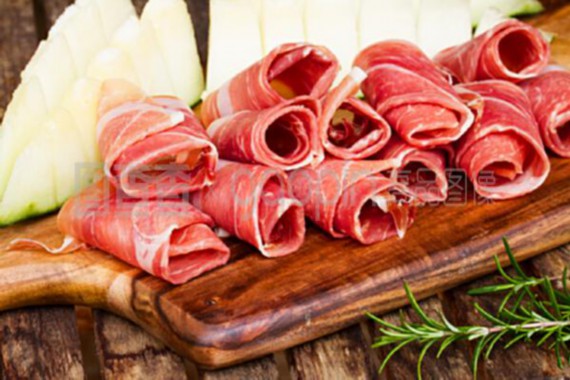
In terms of flavor, red label Bellota ham boasts a rich and complex aroma with pronounced nutty notes, evenly distributed marbling, and a silky texture. Compared to the 100% pure black label, its taste may be slightly Spanish Red Label vs. Green Label Ham “milder,” but it’s still a top-quality ham far superior to green and white labels. For those seeking premium acorn flavor but with a tighter budget, the red label is definitely a perfect alternative.
To give you a clear overview, here is an updated comparison table:
| Label Color | Grade Name | Breed Purity | Feeding Method |
|---|
| Black | Bellota 100% Ibérico | 100% Iberian | Acorns + Pasture |
| Red | Bellota Ibérico | 50% or 75% Iberian | Acorns + Pasture |
| Green | Cebo de Campo Ibérico | 50%, 75%, or 100% Iberian | Feed + Pasture |
| White | Cebo Ibérico | 50%, 75%, or 100% Iberian | Feed |
Next time, don’t underestimate the red label! It represents a slightly mixed lineage but still top-tier Iberian ham fed on acorns. Hopefully, this “clarification post” helps everyone make confident choices when buying ham. Have you ever tried red label ham? How do you think it compares to black label? Feel free to share your tasting experience in the comments!
