After being in Spain for quite a while, I finally couldn’t resist and bought a whole ham hind leg! Seeing this big piece at home was both exciting and a bit overwhelming. I believe many friends, like me, have long craved this “national treasure” but were worried about how to handle it after buying. Today I’ll open a post to share my rookie pitfalls and learning experiences, and I welcome seasoned experts to add their tips!
Choosing Your Leg: Iberian or Serrano?
First, you need to understand what kind of leg you want to buy. The two most common types on the market are Iberian ham and Serrano ham. Simply put, the former comes from black-hoofed pigs, the latter from white-hoofed pigs. Iberian ham is much more expensive, richer in fat aroma, melts in your mouth, and is a top-tier indulgence. Serrano ham is more affordable, with a saltier, chewier flavor, and serves as a daily staple in Spanish households. For my whole Spanish ham leg recommendation beginner’s entry, I chose the cost-effective Serrano hind leg, perfect to [practice without worry]!
Preparation: A Good Tool is Half the Work
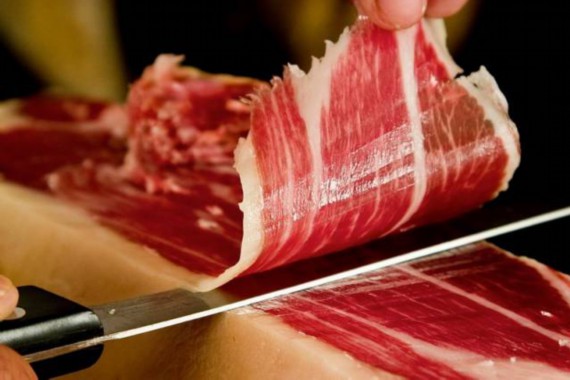
The joy of buying a whole ham leg lies in the ritual of slicing it open! A set of professional tools is truly absolutely necessary! At minimum, you need a stable ham stand and a slender ham knife . Don’t think about improvising with your kitchen knife, that’s definitely a disaster waiting to happen, not only dangerous but also results in thick, tough slices, totally wasting the deliciousness.
The Art of Slicing: Where to Start?
Once the ham is fixed on the stand, it’s usually recommended to start slicing from the hoof-up side. This section is called Maza, containing the most meat and the richest fat. Of course, some prefer starting from the other side, which is leaner and firmer. My personal suggestion: if your family consumes fast, start with the Maza; if you eat slowly, like me, start with the Contramaza so the fattier Maza has longer to mature. Check out eating whole Spanish ham leg in Spain for more tips.
| Part | Characteristics | Eating Suggestions |
|---|
| Maza | Rich in fat, tender meat, rich flavor | Eat first if consumption is fast or at gatherings |
| Contramaza | Less fat, firmer meat, saltier | Eat first if eating slowly; better preservation |
| Babilla | Small lean area opposite Maza | Usually eaten after Contramaza |
How to Store?
After slicing, don’t forget to use the first thick layer of fat you cut off to cover the exposed surface. This is the best “lid” for your whole Spanish ham leg meat, preventing it from drying and oxidizing. Then cover with plastic wrap or a clean cotton cloth, and place it in a cool, ventilated spot. Absolutely do not store it in the fridge!. It is said that good ham can be preserved this way for several months. What brand of ham do you have at home? Any recommendations? Feel free to share below!
