When I first arrived in Spain, I thought all ham was the same, and any would taste good. Later, after being introduced by local connoisseur friends, I found out that the nuances here run even deeper than with wine! Recently, I chatted with him about whether Spanish ham really has a “best vintage” like wine does.
My friend told me that this concept does exist, called Añada in Spanish. However, it’s not as heavily promoted as wine vintages and is usually only discussed within circles of top-tier, purebred Iberian acorn-fed hams. The key factor deciding a vintage’s quality is the “montanera” season — from October to March — when pigs roam freely in the oak forests eating acorns to fatten up, and the weather during that period is crucial.
Which Ham Vintages Are Widely Recognized as the Best?
A good vintage generally means a rainy but not flooded autumn and winter, with plenty of sunshine. Such a climate allows oak trees to produce abundant and sweet acorns. Well-fed pigs become plump, and their fat marbles evenly into the muscle, resulting in naturally oily, fragrant hams with an unforgettable aftertaste. On the contrary, if a year is too dry or too wet, acorn yields suffer, pigs don’t get enough food, and the ham’s flavor declines. Some widely recognized excellent vintages have higher quality and price. Here’s a simple table for reference:
| Year | Climate Characteristics | Ham Quality Prediction |
|---|
| 2014 | Abundant rainfall, very high acorn yield | Outstanding |
| 2016 | Mild climate, stable yield | Excellent |
| 2018 | Ideal autumn rainfall, high-quality acorns | Outstanding |
| 2020 | Good climate conditions, decent yield | Excellent |
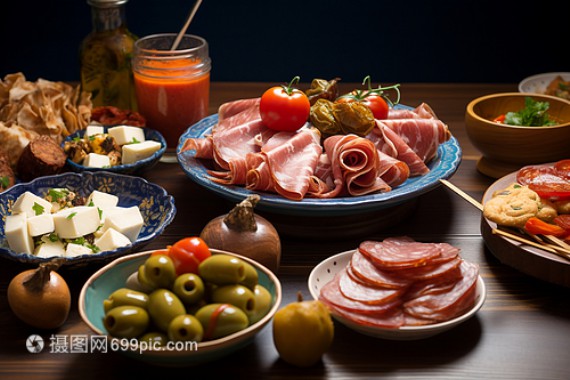
Of course, for ordinary consumers wondering how to best enjoy Spanish ham, there’s really no need to overthink the “vintage.” Because the birth of a top-quality ham depends not only on “timing” (weather) but also on “location” and “human factors.” Choose a reputable D.O. region, such as Jabugo, Guijuelo, Dehesa de Extremadura, or Los Pedroches, and preferably the best Spanish ham prices marked with the black label representing 100% Iberian black-hoof pigs, to basically ensure quality. After all, a good producer in an ordinary vintage can often produce ham that is much better than an average producer in a good vintage.
The ham vintage is just icing on the cake and part of the joy for connoisseurs pursuing the ultimate flavor, but it’s not the only standard to judge a ham’s quality. When buying ham, it’s more important to consider the production area, grade, and brand. Have you ever noticed the year your ham started curing? Or have you ever tasted a vintage that amazed you? Let’s talk about it!
