If you’re new to Spain, fellow friends, do you find yourself tempted every time you see that majestic whole bone-in ham at the supermarket, but then silently put it back because you don’t have the right tools or don’t know where to start? Don’t worry—I was the same when I first arrived. After trying it myself once or twice, I realized that deboning ham is not as difficult as making Spanish ham bone broth and it’s actually quite fun! Today, I want to share my home-style ham deboning experience.
Preparation: Sharpening Knives is Key
You need to have the right tools ready. A good set can make the job much easier, and removing Spanish ham bones is safer with them. You don’t have to get the most expensive ones, but these are essential:
| Tool | Spanish Name | Purpose |
|---|
| Ham Holder | Jamonero | Holds the ham securely for safety first! |
| Long Slicing Knife | Cuchillo Jamonero | For slicing ham thinly; blade should be long, narrow, and flexible |
| Deboning Short Knife | Puntilla | To separate meat from bones; blade should be short, hard, and sharp |
| Sharpening Steel | Chaira | Keeps your knives sharp anytime |
Fix the ham hoof facing upwards on the ham holder, and start with the babilla part, which is smaller and leaner. The first cut is critical: make a ring-shaped deep incision just below the ankle, cutting through the tendons and skin. Then, with your puntilla knife, keep the tip always close to the bone, slowly separating the meat from the bone. Be patient; you’ll feel the knife glide in the space between bone and meat. The essence of deboning is to “separate,” not “cut through”. Once you remove the main large bones—the femur, tibia, fibula, and the trickiest hip bone—you’ve already completed most of the task!
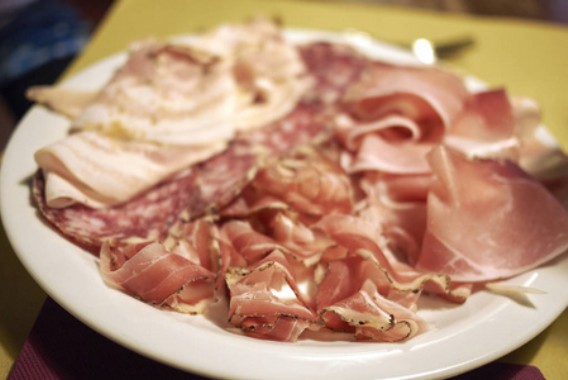
The large pieces of ham you separate can be divided according to the natural muscle texture into parts like maza, contramaza, and babilla. I usually wrap them tightly in cling film, then vacuum-seal and refrigerate. This keeps them fresh for a long time, and when you want to eat, just take out a piece and slice it; the flavor is almost as good as freshly cut.
One most important point: absolutely, absolutely do not throw away the removed bones! They make excellent stock. Ham bone broth enhances any dish—whether as the base for a seafood rice dish or for cooking lentils—the flavor is incredibly rich! I typically saw the bones into sections, freeze them, and use as needed.
Well, that’s all my sharing. How do you all handle ham at home? Any unique tips or pitfalls you’ve encountered? Let’s chat in the comments!
