Hello everyone, after spending so much time in Spain, I feel like I’ve almost become a “ham taster”! From the most common supermarket Serrano to the mouthwatering Iberian black hoof, each has its own unique flavor. But every time I eat one, I wonder how such an ordinary pork hind leg turns into a gourmet delight? Recently, I researched a bit, and today I’ll reveal how a top-grade Spanish ham undergoes its “training” process!
The “Training” Journey of a Ham
Step One: Salting and Resting
First, fresh pork hind legs are handed to experienced ham masters. They completely cover the leg with sea salt, like tucking it under a thick “salt blanket”. The salting time is very meticulous, usually calculated by weight, about one day per kilogram. This process mainly dehydrates and preserves the meat. After salting, the surface salt crystals are rinsed off with warm water, then the ham goes into a “resting period” lasting around 40 to 60 days, allowing the salt to slowly and evenly penetrate the ham’s interior.
Step Two: Drying and Maturation
This is the key stage in the Spanish ham breakdown process where the ham’s flavor develops! The ham is hung in specialized drying rooms where ventilation, temperature, and humidity are precisely controlled for months. During this time, the ham experiences a phenomenon called “sweating,” where rising temperatures cause fats to slowly melt and permeate the muscle fibers. This is exactly the source of the Spanish ham opening process ham’s oily texture and unique aroma! This stage also represents the greatest weight loss period for the ham.
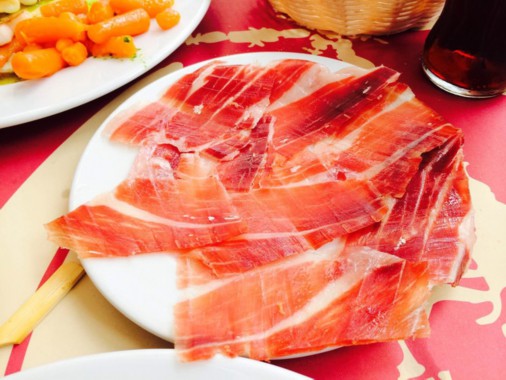
Step Three: Wine Cellar Aging
After the long drying phase, the hams are transferred to temperature- and humidity-controlled underground wine cellars for their final “training”. Here in the Spanish ham fermentation process, they rest quietly for a year or even several years. Time grants the ham a more complex and profound aroma, as microbial and enzymatic activities continue to break down proteins and fats, generating rich aromatic compounds. An experienced master uses a thin bone needle to pierce different parts of the ham, and by simply smelling the aroma on the needle, can determine whether the ham has reached perfection. This is truly an art!
| Main Stage | Approximate Duration | Purpose |
|---|
| Salting | 10-15 days | Dehydration and preservation |
| Resting | 40-60 days | Even salt penetration |
| Drying | 6-9 months | Foundation of flavor formation |
| Aging | 1-3 years or longer | Development of complex aroma |
So, the slice of ham we casually cut and eat every day is actually the result of years of meticulous processes. From a simple pork leg to a national treasure delicacy, this is entirely a masterpiece of magic time and craftsmanship! Next time you eat Jamón, won’t the taste seem more layered? Which production region’s ham do you like the most? Let’s chat about it together!
