Having been in Spain for a while, I’ve noticed that everyone’s fridge always seems to have one thing—Jamón! Whether paired with melon, stuffed in a baguette, or enjoyed with a glass of red wine, it’s an absolute delight. But have you ever wondered how such a flavorful ham transforms step by step from a raw pork leg into the culinary masterpiece on our table? Today, I’ll share what I’ve learned about the full Spanish ham production process—it’s truly eye-opening!
This is not just randomly salted and hung to dry as simply as the Spanish ham dissection process suggests. The whole journey is full of Spanish wisdom and profound respect for time, with every step crucial—truly a long and patient craft.
The Birth Journey of a Ham
Step One: Salazón
Once fresh hind legs arrive at the factory, the first step is curing them with sea salt. Workers completely bury the legs in a pile of coarse sea salt. The salting time is one of the key steps, usually calculated based on the leg’s weight—approximately one day per kilogram. This process mainly extracts moisture and prevents spoilage, setting the foundation for flavor development.
Step Two: Lavado y Asentamiento
After salting, workers wash off the surface salt crystals with warm water. The legs are then hung in rooms with strictly controlled temperature and humidity for a “stabilization period,” known in Spanish as Asentamiento. This phase lasts about one to two months, allowing the salt absorbed earlier to distribute evenly within the muscle to reach a perfect balance.
Step Three: Secado y Maduración
This is the longest and most magical phase in the opening Spanish ham process. The legs are moved to naturally ventilated drying rooms. As seasons change, natural fluctuations in temperature and humidity promote fascinating chemical reactions inside the ham. In summer, the temperature rises, causing the ham to “sweat,” gradually melting fat that seeps into muscle fibers, creating a unique marbled pattern and luscious texture. This stage gives the ham its unparalleled aroma.
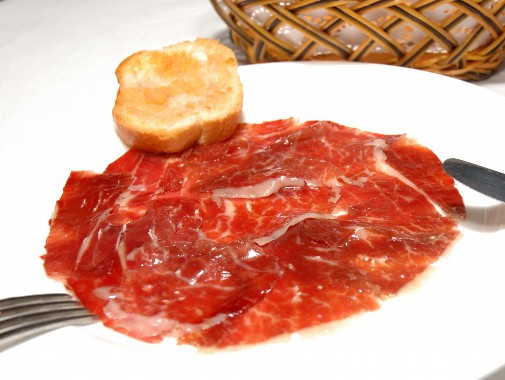
Step Four: Envejecimiento en Bodega
The hams are transferred to temperature- and humidity-controlled underground cellars for final aging. Here, mold forms a natural protective layer on the ham’s surface and contributes to shaping the ultimate flavor. Experienced ham masters use a slender bone needle called a Cala, piercing different parts of the ham and smelling the aroma on the needle to judge whether it’s fully matured. This process takes several months at minimum, with top-grade Iberian hams aging for three to four years or more!
Many newcomers to Spain might confuse Serrano and Ibérico hams, but they are fundamentally different starting from the breed of pig. Here’s a simple comparison:
| Type | Breed | Main Characteristics |
|---|
| Jamón Serrano | White pig | Affordable, saltier flavor, leaner meat |
| Jamón Ibérico | Iberian black hoof pig | Complex flavor, rich and sweet, with acorn-fed varieties |
So, the Spanish ham manufacturing process is something to savor next time you slice a piece as thin as a cicada’s wing and see its glossy fat. It’s more than just food—it’s Spanish culture and tradition distilled over time. Do you know any fun facts about ham? Let’s chat!
