When I first arrived in Spain, I was always amazed by the rows of hams hanging from the ceiling in supermarkets or markets—the sight was truly spectacular. I was curious how those dark, hard-looking “big legs” of meat were made to become so delicious. After some research recently, I finally understood. Today, let me take you as a class ambassador and talk about the birth of this Spanish national treasure!
The Journey of a Great Leg
We must know not every pork leg can become a top-quality Spanish ham. The most famous is the ham made from Iberian black pigs, which graze on acorns in oak forests, giving the meat a unique nutty aroma. Of course, there is also the more affordable Serrano ham, made from regular white pigs, a staple on everyday dining tables.
The Four Essential Steps: Salt, Time, Air, Storage
After choosing the leg, the real technical challenge begins. The entire process can be summarized in four words: salt, time, air, storage.
Salting: Fresh hind legs are taken to curing rooms and fully covered with Mediterranean sea salt. Salt serves to dehydrate and preserve the meat. Experts precisely calculate curing time based on leg weight—about one day per kilogram. This stage requires strict temperature and humidity control!
Washing and Resting: After salting, excess salt is washed off with warm water. Then comes the “resting period,” allowing salt to slowly and evenly penetrate the meat internally. This takes around 40 to 60 days to achieve a salt balance inside and out.
Drying and Aging: This is the longest and key phase where the ham’s flavor develops. The ham is hung in a ventilated drying room called the “Secadero,” where natural airflow and humidity changes dry it for several months. As moisture evaporates, fat gradually infiltrates muscle fibers, forming beautiful marbling.
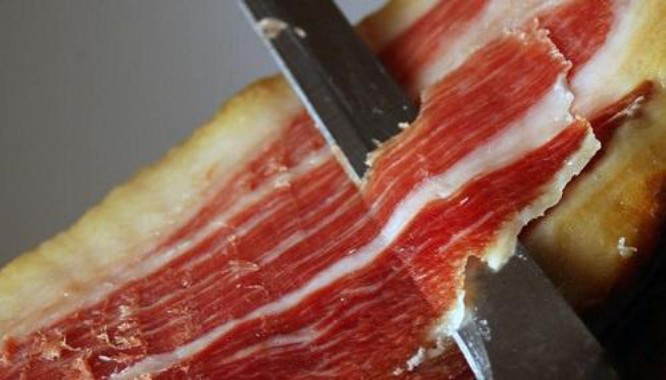
Cellar Aging: Finally, after sufficient drying, hams are moved to temperature- and humidity-controlled underground cellars for the last refinement. Here, microbes and enzymes continue complex chemical reactions, giving the ham its unique, rich aroma. This is the Spanish ham decomposition process, truly an art of time, lasting from a few months to three or four years!
To give you a clearer overview, I compiled a simple table of the Spanish ham preparation process:
| Stage | Approximate Duration |
|---|
| Salting | About 1 day per kg |
| Resting | 40-60 days |
| Drying | 6-9 months |
| Cellar Aging | Over 6-30 months |
So when we talk about the Spanish ham manufacturing process, those translucent, salty slices served in restaurants represent years of meticulous care and patient waiting. It’s no longer just food; it’s more like a time-honored work of art. Next time you enjoy ham, perhaps you’ll have greater appreciation. Feel free to join the discussion about your favorite kind of Jamón!
