After living in Spain for a while, I finally decided to take the plunge and get into the national treasure: ham! Every time I pass by the meat section at the supermarket, I can’t help but be tempted by the rows of hanging Spanish ham front leg and rear leg hams. But when it comes to buying a whole leg myself, I get worried about spending a lot only to end up disappointed. After some research and practice, I’m sharing my experience of getting started with whole leg ham as someone who has been through it.
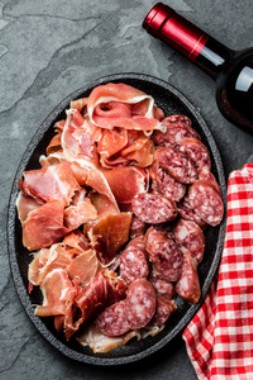
Step 1: Understand What Kind of Leg You Are Buying
In Spain, hams fall into two main categories: Serrano ham and Iberian ham. The former is made from white pigs, affordable, and a daily choice. The latter is what we usually call top-quality ham, made from the prized Iberian black-hoofed pig. If your budget allows, going for Spanish ham rear leg and straight for Ibérico is definitely the right call! Iberian ham is further graded by pig lineage and feeding method using different colored labels:
| Label Color | Description | Pig Breed and Feeding Method |
|---|
| Black | Acorn-fed 100% Iberian ham | 100% purebred Iberian black pig, fully free-range in oak forests during acorn season. |
| Red | Acorn-fed Iberian ham | 50% or 75% Iberian pig lineage, free-range in oak forests during acorn season. |
| Green | Meadow-fed Iberian ham | Various Iberian pig lineages, free-range on meadows eating grass and grains. |
| White | Grain-fed Iberian ham | Various Iberian pig lineages, farmed and fed with grains indoors. |
Where to Buy?
I personally recommend large supermarkets like Carrefour or Mercadona, or specialty ham shops. Supermarkets often offer bundled packages that include a ham stand and knife, which are very user-friendly for beginners. Prices for a 7-8 kg Iberian rear leg with white or green label are roughly between 150-300 euros, with how to cut Spanish ham rear leg varying depending on budget. Although online shopping can be cheaper, it’s not recommended for beginners as you can’t see the product in person.
Step 2: Get the Essential “Ham Cutting” Tools
Buying the leg is just the beginning; you also need a set of professional tools. The two most important are the ham stand and ham knife. The ham stand is used to secure the whole leg; without it, cutting is impossible. The ham knife is a very long, sharp, thin blade designed specifically to slice ham paper-thin. Note: This knife is extremely sharp, so always keep your hand behind the blade when cutting, safety first!
Step 3: Storing After Opening
This is the most common concern. Once a whole leg is cut, proper storage is essential. Never use plastic wrap on the cut surface! The correct method is to cover the freshly cut, fat-thick pork lard and skin back over the cut area to keep maximum moisture and prevent drying. Then cover it with a clean, breathable cotton cloth. Store it in a cool, ventilated place outside the fridge. If stored properly, a single leg can easily last for several months.
I hope my sharing helps those who are also eager to dive into Spanish ham culture! Opening a bottle of red wine and slicing some ham you cut yourself is truly amazing! Feel free to share your favorite ham brands or experiences below!
