Dear friends living around Spain, today I want to share a life hack I recently discovered, and honestly, I feel like I missed out before!
Here’s what happened: my family bought a whole Jamón before, and after finishing it with gusto, we were left with a big bare bone. Previously, I would just throw it straight into the trash without a second thought. Until last week, when I had dinner at a Spanish friend’s house and drank a pot of lentil soup that smelled irresistibly good. When I asked her how she made it, she pointed to the pot and said the secret was adding Hueso de Jamón! Suddenly, it all made sense—this thing is a hidden gem!
Actually, it’s not just leftover ham bones; in major Spanish supermarkets like Mercadona and Carrefour, you can find pre-cut, vacuum-sealed ham bones in the meat refrigerated section, specifically for making soup. They are very affordable—usually just one or two euros for a large pack—which makes them an excellent budget-friendly cooking enhancer. Typically, the bones are sawed into small pieces for easy use.
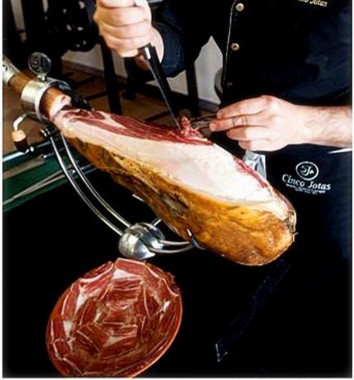
The Soulful Use of Ham Bones: Simmering a Rich Broth
The classic use of ham bones is to make a rich broth. Iberian ham, cured and air-dried for a long time, has bones packed with concentrated savory flavors and aromatic fat. The broth made from it is golden in color, with a salty, full-bodied taste. Whether you drink it on its own or use it as a base to cook vegetables, noodles, or Spanish chickpeas, it instantly elevates the dish’s flavor to another level. I even tried using it for Chinese-style noodle soup, and the smoky meaty aroma worked surprisingly well!
Here’s a little tip from Spanish ham hind leg for beginners: Since the ham is already very salty, when making soup with ham bones, do not add salt at the beginning. It’s best to wait until the soup and all ingredients are fully cooked, then taste before deciding whether to season. In most cases, the natural saltiness is enough. Some Spanish ham front and hind leg bones may have extra salt crystals outside, so you can blanch them briefly in boiling water before simmering if needed. Also, the cutting method for Spanish ham hind leg is something beginners can learn to handle these bones properly.
Summary of Ham Bone Selection and Uses
To help you choose, here’s a simple table to refer to:
| Type of Bone | Main Features | Recommended Uses |
|---|
| Meat-attached bone | More intense flavor, edible meat | Great for main dishes like stewed lentils or chickpeas |
| Pure bone pieces | Clearer broth color, pronounced salty flavor | Ideal for making broth, soup base |
| Middle section bone | Rich marrow, fragrant fats | To make thick broth, enhances soup texture |
| Joint bones | High collagen | Adds thickness and richness to the soup |
This seemingly plain bone is truly one of the essences of Spanish cuisine. Next time after enjoying ham or when shopping at supermarkets, keep an eye out for this treasure. Do you have any other creative ideas for using ham bones? Feel free to leave your thoughts in the comments below!
