Just arrived in Spain, every time I visit a supermarket or a restaurant, I am shocked by the price of that ham… A whole leg easily costs hundreds to thousands of euros, and even a few thin slices cost over ten to twenty euros. I’ve always wondered, isn’t it just cured meat? Why can it be sold at such a high price? After doing some research, I discovered there’s a lot more behind it.
The pig breed is not on the same level. The top-grade Spanish ham, which we call “acorn-fed ham,” must come from purebred Iberian black pigs. These pigs naturally develop evenly distributed fat within their muscle fibers, creating beautiful marbling that forms the foundation of their flavor and silky texture. Their characteristic black hooves are also why they are nicknamed “Pata Negra.”
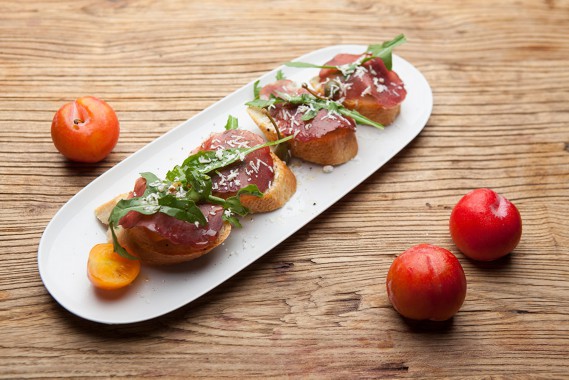
The most crucial factor is the pigs’ “lifestyle” and “diet.” Top-quality Iberian black pigs spend their last few months roaming freely in the unique Dehesa oak forest pastures of Spain. They walk, run every day, and eat only fallen acorns. To reach the required standard weight, a pig must consume hundreds of kilos of acorns and have access to several hectares for activity. This unique diet combined with abundant exercise allows fat to infiltrate the muscle with a distinct nutty aroma. The cost of this is self-evident.
Then comes the long and almost despair-inducing production cycle. A top-quality acorn-fed ham undergoes slaughter, trimming, salting, drying, and final cellar aging, which takes at least 36 months, while some 5j Acorn-fed Spanish Hams take more than 48 months. During those three to four years, experienced ham masters precisely control the cellar’s temperature and humidity, allowing the ham to slowly and evenly dehydrate and ferment, ultimately developing a complex and rich flavor. Time is one of the most expensive costs.
How to Judge Spanish Ham Quality? Recognize These Four Colors!
Finally, to guarantee quality, the Spanish government strictly enforces protected designation of origin regulations and certification systems. When purchasing, you can easily differentiate grades by the color of the plastic label hanging on the ham’s hoof using the Spanish Acorn-fed Ham Grading Standard:
| Label Color | Grade | Official Spanish Name |
|---|
| Black | 100% Iberian pig + acorn-fed | 100% Ibérico de Bellota |
| Red | 50%/75% Iberian pig + acorn-fed | Ibérico de Bellota |
| Green | Iberian pig + pasture-raised/compound feed | Ibérico de Cebo de Campo |
| White | Iberian pig + barn-raised/grain feed | Ibérico de Cebo |
Therefore, Spanish Acorn-fed Pasture Ham embodies fine pig breeds, natural pastures, luxurious food, long aging time, and artisan dedication. It is not just food, but a cultural symbol and a work of art in Spain. Knowing this, doesn’t its price feel much more reasonable? Although not an everyday treat, occasionally rewarding yourself with this melt-in-the-mouth delicacy is definitely an unforgettable experience. Let’s chat—what is your favorite ham brand?
