Hello everyone! Recently, while slicing ham at home, a thought crossed my mind: every time we eat [Jamón Ibérico](Jamón Ibérico) or [Jamón Serrano](Jamón Serrano), we only consume the pig’s hind leg. So, what happens to the rest of such a big pig? Is it all made into feed? Of course not! Especially for the precious Iberian black pig, every part of it is valuable. Today, let’s dive deep into the full market journey of a “ham pig.”
Spaniards are masters at utilizing pork to the fullest, reflected in the old saying “del cerdo, hasta los andares”, meaning literally everything from the pig, even its gait, is edible. This philosophy of complete utilization is vividly reflected in how a ham pig is butchered. After slaughter and cutting, different parts are directed to distinct destinations based on their meat quality, fat content, and traditional uses.
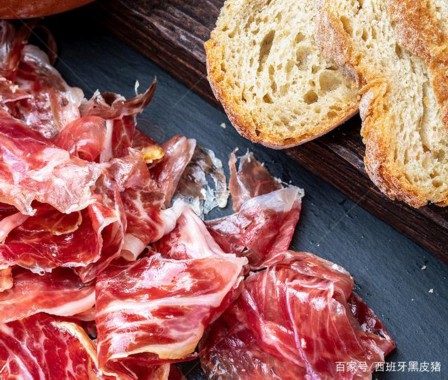
Main Destinations of Ham Pig Cuts
To give you a clearer picture, I’ve prepared a simple table showing the most common Iberian pig cuts and their typical uses. You’ll find that many parts are just as valuable as ham!
| Cut | Spanish Name | Primary Use |
|---|
| Hind leg | Jamón | Aged to produce top-quality ham |
| Front leg | Paleta / Paletilla | Aged to produce front leg ham |
| Loin | Lomo | Whole cured and dried, made into Lomo Embuchado |
| Shoulder blade | Presa / Cabecero | Premium for grilling or pan-seared steaks, excellent texture |
| Neck meat | Secreto | “Secret” cut, rich marbling, perfect for grilling |
| Feather cut | Pluma | Located at the front of the loin, tender and juicy, scarce and prized |
| Ribs | Costillas | For stews, sauced roasting, or barbecues |
| Cheek meat | Carrillera | Slow-cooked in red wine, melts in your mouth |
As you can see, besides the Spanish ham market we all know and the cured loin, the so-called “Iberian three treasures” — Presa, Pluma, and Secreto — are highly sought-after delicacies in restaurants and can even be pricier than many beef cuts. These cuts are favored for their intramuscular fat that releases irresistible aromas and flavors when grilled or pan-seared. Meanwhile, cheek meat is a prized ingredient in traditional slow-cooked dishes.
So, a high-quality ham pig is clearly allocated from head to toe. Next time you visit a Spanish restaurant or butcher, consider stepping out of your comfort zone beyond just Jamón and ask if they have fresh Presa Ibérica or Secreto Ibérico—experience the charm of Iberian black pig pork beyond ham firsthand. Have you tried any other pork cuts in Spain that surprised you? Feel free to leave a comment and join the discussion!
