Lately, more and more friends in the forums have been talking about opening stores, and the atmosphere is really great! Just recently, a buddy wanted to open a small tavern and asked me about sourcing channels for Spanish ham. This market is quite complex, with a big difference between household consumption and restaurant wholesale. I’ve organized some information I know to spark ideas, hoping to help those in need, and of course, experienced friends are welcome to add their insights!
First, Clarify Which Type of Ham You Want to Wholesale
In Spain, ham is mainly divided into two categories; without understanding this, procurement is impossible to discuss. Many newcomers mix them up.
| Feature | Jamón Ibérico | Jamón Serrano |
|---|
| Pig breed | Iberian black pigs | Common white pigs |
| Breeding | Free-range, top quality fed on acorns | Mainly fed on grain and feed |
| Curing time | 24-48 months or longer | Usually 12-18 months |
| Characteristics | Rich fat, melts in your mouth, nutty aroma | Salty taste, drier meat, affordable |
| Price | Expensive | Economical |
Simply put, Ibérico is premium, suitable for signature dishes or individual servings; Serrano is the everyday option, cost-effective and perfect for Bocadillo or large quantities of Tapas. Different positioning means different choices.
What Are the Main Wholesale Channels?
Once you know your target, where do you buy? Mainly there are a few routes:
Large Food Wholesale Markets: Such as Mercamadrid in Madrid and Mercabarna in Barcelona. The advantage here is the full variety and one-stop shopping. However, they usually require higher minimum orders, more suitable for medium to large restaurants. Also, you need corporate credentials and transport means, which are less friendly to individual buyers.
Direct Supply from Producers/Curing Cellars: This is my personally recommended way. Directly contact producers in producing regions, such as Guijuelo in Salamanca province or Jabugo in Huelva province. The price is advantageous, and you can ensure the quality and freshness of the supply. The downside is it takes time to communicate and inspect, and Spanish high-end ham ingredients may require purchasing a full batch at once.
Professional Catering Suppliers: This is the most worry-free way. There are many companies specializing in supply for the Horeca channel. They represent multiple ham brands, so you can choose based on your needs; additionally, Spanish ham platter ingredients they generally provide delivery services. Searching online for “distribuidores de jamón para hostelería” will get you many results.
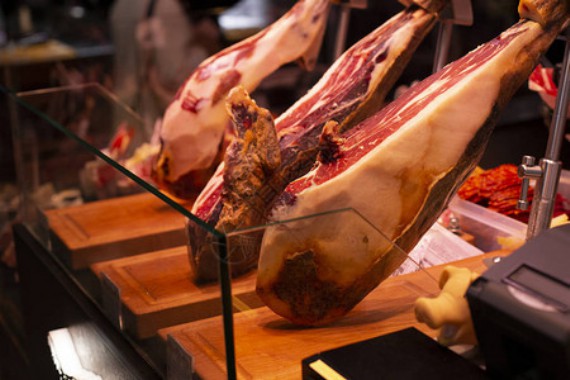
Some Personal Tips for Procurement
Lastly, here are some pitfalls I want to share:
- Quality first, always try before buying! Especially when dealing directly with producers, be sure to get samples or try in person first. Even the same grade of ham varies depending on the curing techniques and salt control of different producers, which affects the final taste.
- Look for the protected designation of origin. This is like the appellation of origin for wine, a guarantee of quality. Spain has four main DO regions for Jamón Ibérico, which can serve as an important reference when purchasing.
- Don’t just focus on price. The “yield” of a ham leg is equally crucial. Some cheap hams may have large bones and excess fat, so the actual sliced meat is less, making the unit price less cost-effective.
Never just buy the cheapest option.
That’s all for now. Opening a store is not easy, and ingredients are fundamental. I hope this information helps everyone avoid some detours in ham procurement. Also, welcome all experts and business owners to share your exclusive channels and valuable experiences in the comments below!
