Hello to all the brothers and sisters fond of cured meats! When talking about Spain, how can we miss the national treasure—Spanish ham? Today, we can easily find it both domestically and abroad, but have you ever wondered when and how this delicious ham gradually entered the Chinese market? Let’s delve into the somewhat short yet complex history.
A Long Road to Market Access
In fact, the import path for Spanish ham was quite challenging. For a long time, since Spain was a foot-and-mouth disease affected area, our national quarantine standards for meat imports were extremely strict, so Spanish ham history was kept outside the national borders. This frustrated Spanish ham producers and made domestic food lovers eager. Both governments and industry associations negotiated and worked for nearly ten years, a process full of obstacles.
The First Breakthrough: Starting with “Boneless”
The turning point came in 2007! That year, China’s General Administration of Quality Supervision, Inspection and Quarantine finally reached an agreement with Spain, allowing Spanish ham meeting certain conditions to enter China for the first time. However, there were strict limitations: only boneless hams cured for more than 313 days were allowed. Although only boneless ham, this was a historical breakthrough, meaning we could finally legally enjoy authentic Spanish flavors domestically. The main imports then were Serrano ham and some boneless Iberian ham.
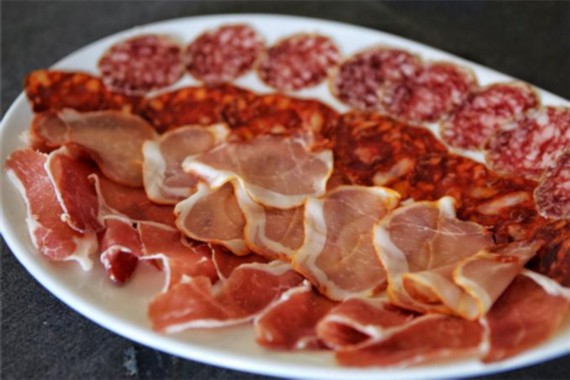
A Key Step: Opening the Market for Bone-In Ham
For true enthusiasts of Spain’s top ham history, the whole bone-in ham with the hoof is the essence! Its flavor and ceremonial feel cannot be matched by boneless ham. This wish was only fulfilled between late 2018 and early 2019. After a new round of negotiations, China’s Customs Administration officially signed the protocol for Spanish pork exports to China, allowing bone-in Iberian ham meeting quarantine requirements to enter China. This was a milestone event, enabling the highest grade Spanish ham to appear on our tables in its fullest form. Just the thought makes one mouth-watering! Dieting can wait until tomorrow.
A Brief Recap of Key Milestones
To make it clearer, here is a simple summary table:
| Timeline | Import Policy Breakthrough | Main Impact |
|---|
| Before 2007 | Essentially banned | Market empty, only small gray-market supplies |
| 2007 | Allowed boneless ham imports | Zero breakthrough, market awakening |
| 2019 | Allowed bone-in Iberian ham imports | Full opening of high-end market, enriched variety |
From bans to opening, from boneless to bone-in, every step of Spanish ham entering China involved enormous effort. We are truly fortunate to enjoy this delicacy so easily now. When did you first try Spanish ham? Which brand or region do you prefer? Feel free to leave your comments below!
