Every time I return home, the gift list requested by relatives and friends almost always includes the famous Spanish ham. However, buying Spanish ham at the airport raises a question: can this item really be brought home smoothly? I always get very anxious packing it at the airport. Today, I want to share some of my personal experiences and lessons from “carrying” ham over the years to provide a reference for those preparing to return home.
Official Regulations vs. Common Experience
We must make one thing clear: according to official customs regulations, any raw meat or meat products that have not undergone high-temperature processing are prohibited from entry. Spanish ham, especially the kind we love with fresh slices and bones, strictly falls into this category. So, legally speaking, bringing ham home is risky. If caught, it will be confiscated with no negotiation possible.
However! Rules are strict, but reality is flexible. Every year, countless students and tourists successfully bring ham home. The key lies in how you bring it, what type, and a bit of luck. Airport security mainly checks for explosives and prohibited items, while customs conducts spot checks. As long as your suitcase doesn’t appear suspicious under the X-ray scanner, usually they won’t specifically open it to check how many packs of ham you have.
Tips for Getting Through
To increase your chances of success, here are some personal tips I’ve summarized:
Choose vacuum-packed sliced ham first: This is the most important point at Barcelona airport for Spanish ham! Be sure to buy those commercially machine-sealed vacuum-packed sliced hams from supermarkets. The packaging is neat and looks like ordinary ham slices, not a big chunk of “raw meat.” Avoid those vacuum-sealed by simple home machines after fresh slices, and definitely avoid whole bone-in hams — those scream “raw meat.”
Hide it deep in checked luggage: Never put it in carry-on! Make sure it is in your checked suitcase, ideally wrapped in a few clothes and mixed with snacks and chocolates. The goal is to make it less noticeable under X-ray.
Remove price tags and original packaging: Some packages have obvious “Jamón Ibérico” labels or pig images—consider removing them or putting the package inside an opaque bag to reduce recognition. Though a bit self-deceptive, it helps avoid trouble.
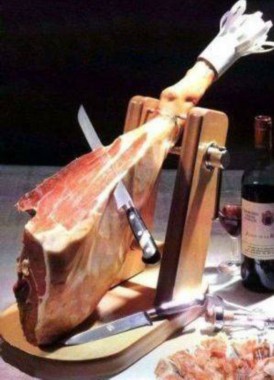
Below is a table summarizing the risk levels of different ham types for passing customs, clear at a glance:
| Ham Type | Packaging Method | Risk Level | Personal Advice |
|---|
| Whole bone-in ham | Mesh bag or simple wrap | Very High | Don’t even think about it, 100% confiscation, waste of money. |
| Vacuum-packed slices | Commercial sealed packaging | Medium | Mainstream choice, hide deep in checked luggage, depends on luck. |
| Iberian ham sausage | Vacuum packaging | Lower | Dry-cured sausage, less sensitive shape, relatively much safer. |
Bringing ham home is a mix of skill and luck. My advice: if you want to bring some, choose a few reasonably priced vacuum-packed sliced hams to try and satisfy your craving. Never risk buying an expensive top-grade whole ham; if customs officers “intercept” it, you will be devastated. I hope everyone’s ham arrives safely! Feel free to share your own success or failure stories!
