Recently, during a medical check-up, my doctor told me my uric acid levels were a bit high and advised me to watch my diet and reduce high-purine foods. The first thought that crossed my mind was: oh no, can I still eat my beloved Spanish ham? I believe many of my friends living in Spain feel the same way, unable to resist the savory and tender flavors of this delight. So, I took the time to research Spanish ham purine content, and today I want to share with you this “crucial” topic.
What Are Purines? What Do They Have to Do with Ham?
Simply put, purines are substances in our bodies that metabolize into uric acid. Under normal circumstances, uric acid is expelled through the kidneys. But if you consume too many purines or if your metabolism is off, uric acid can accumulate, leading to gout. Therefore, controlling high-purine food intake is important for preventing gout. Meats, especially cured meats, are generally considered to be high in purines.
So, what about our beloved Spanish ham—where does it stand in terms of purine content? Typically, foods can be categorized into three groups based on purine levels. I’ve put together a simple table for easy reference:
| Food Category | Purine Content per 100g | Common Examples |
|---|
| Low purine foods | < 25mg | Most vegetables, fruits, milk, eggs |
| Moderate purine foods | 25mg - 150mg | Most meats, soy products, fish |
| High purine foods | > 150mg | Organ meats, seafood, rich meat broths, beer |
According to multiple sources, the purine content of Spanish ham ranges around 100mg - 140mg / 100g. This data solidly places it in the “moderate to high purine” category. While it’s not as extreme as organ meats in terms of Spanish ham high purine, it’s definitely not a food you can eat without any caution.
Does This Mean You Can Never Eat It Again?
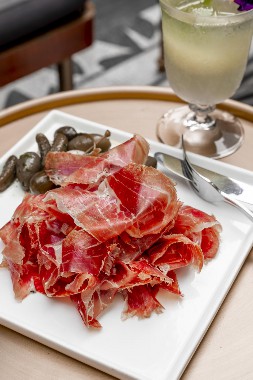
Of course not! The key lies in two words: “moderation” and “frequency”. When we eat Jamón, it’s usually as a tapa or appetizer—just a few slices at a time, probably around 20-30 grams. Calculated this way, the total purine intake is actually manageable. If your uric acid is already elevated or you have a history of gout, then a big plate every day for dinner is definitely not advisable, but occasionally enjoying a few slices with friends, complemented with some vegetables and fruits, and staying well hydrated is perfectly fine. After all, completely depriving yourself of pleasure in food would make life too dull, right?
Spanish ham is a moderate to high purine food that requires us to consciously control intake. For healthy people, normal consumption is harmless; for those with elevated uric acid, more restraint is needed—just a small taste here and there. How do you usually eat ham? Any good tips on balancing taste and health? Feel free to share your thoughts below!
