When I first arrived in Spain, I always thought the rows of hams hanging in supermarkets looked almost identical, yet their prices varied tremendously. Later, thanks to explanations from local friends, I discovered there’s a great deal of knowledge behind each thin slice! Today, speaking as a “half-amateur” enthusiast, let’s talk about how a top-quality Spanish ham is crafted.
The Beginning: Pig Breeds and Rearing
As the saying goes, “Good ham depends 70% on the pig, 30% on the craft.” Spanish ham mainly falls into two types: Jamón Serrano and Jamón Ibérico. The former comes from ordinary white-hoofed pigs, while the latter is made from prized Iberian black-hoofed pigs. Especially for premium Jamón Ibérico, the pigs’ “quality of life” is held to very high standards. They must roam freely in dehesa oak pastures, feeding primarily on acorns fallen to the ground in their final months. This is why top-tier Jamón Ibérico carries a unique and captivating nutty aroma.
Here is a simple grading table for Jamón Ibérico, which you can refer to when buying by looking at the label colors:
| Label Color | Grade | Rearing Method |
|---|
| Black | 100% Iberian Acorn Ham | 100% purebred Iberian pigs, acorns and natural pasture food |
| Red | Iberian Acorn Ham | 50% or 75% Iberian bloodline, acorns and natural pasture food |
| Green | Iberian Pasture Ham | Iberian pigs reared on pasture, diet includes grains and natural grass |
| White | Iberian Grain-fed Ham | Iberian pigs raised in pens, mainly fed on grains |
Masterful Craftsmanship: The Ham Production Steps
Once the pig legs are selected, the Spanish ham production process begins — a long journey guided by time. The entire process relies solely on salt, air, and time without adding artificial preservatives or flavorings.
- Salting: Fresh pig legs are fully buried in sea salt. This step serves for dehydration and preservation, with the duration depending on the leg’s weight—typically one day per kilogram. Controlling temperature and humidity at this stage is extremely critical indeed.
- Cleaning and Resting: After salting, salt residues on the leg’s surface are washed off, and then the leg is placed in a cool, humid “resting room”. The aim is for salt to slowly and evenly penetrate the muscle internally; this process takes about one to two months.
- Drying and Aging: This is the longest and most magical phase. Legs are moved to a ventilated storage cellar, where they undergo natural air drying for months or even years. During this time, fat inside the ham gradually infiltrates the muscle tissue, creating a unique oily texture and complex aroma. Scenes like this are quite spectacular!
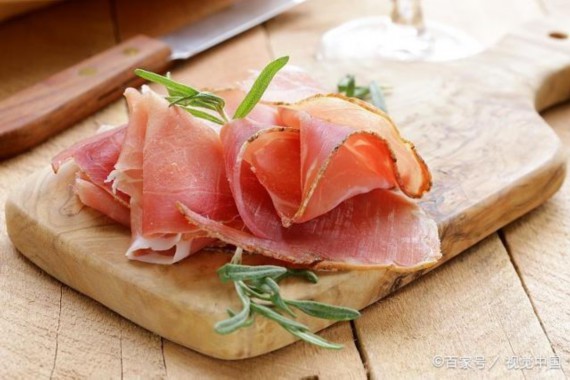
- Cellar Aging: Finally, the hams are transferred to underground cellars with constant temperature and humidity for final aging—ranging from a few months to over four years. Like fine wine, time gives the ham its ultimate soul, enriching flavor and layers.
So every slice of Spanish ham that melts in your mouth with salty and sweet aftertastes is an epic story about the pig, nature, and time. After seeing this process, doesn’t that slice in your hand smell even better? Dieting can wait until tomorrow; tonight, I just want to open a plate! Which type do you usually prefer? The affordable Serrano or the luxurious Ibérico de Bellota? Feel free to share your thoughts below!
