For those newly arrived in Spain, is it the same as when I first saw whole shiny legs of ham hanging in supermarkets and restaurants, mouth watering but unsure how to start? Back home, we often called it “Spanish Royal Ham,” which sounds prestigious, but locals rarely use that term. Today, let’s talk about how to truly enjoy this national treasure Jamón Ibérico the authentic way!
How to Judge the Grade? Don’t Just Know Pata Negra!
Many people think all Spanish ham is called “Pata Negra,” but this actually refers specifically to the highest grade of ham. Iberian ham is mainly classified by the breed and feeding method of the pigs according to the Spanish Ham Royal Knights system, which uses color-coded labels. When buying, just look for the right color and you won’t go wrong:
| Grade Label | Breed and Feeding Method | Features |
|---|
| Black | 100% Iberian Black pig, acorn free-range | Top-tier! Rich marbling, strongest aroma |
| Red | 50%/75% Iberian pig, acorn free-range | Best value, flavor slightly below black label |
| Green | Iberian pig, pasture and grain free-range | Fresh taste with a hint of field notes |
| White | Iberian pig, grain-finished | Entry-level, most affordable |
The Soul of Eating: The Art of Purity and Pairing
Original Flavor Rules
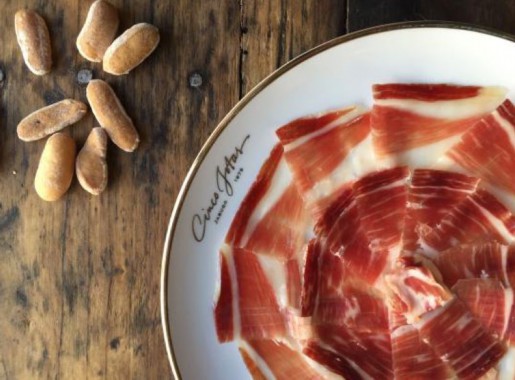
Slices just cut must be tasted at room temperature! Never eat them straight from the fridge, as the fat solidifies and aroma doesn’t develop. The authentic way is to pick up a slice with your hand, feel the ruby-red lean meat and ivory-white fat slowly melting on your tongue, with the nutty fragrance instantly filling your mouth. This basic respect is owed to every good leg!
Classic Pairings to Double the Deliciousness
Of course, besides eating Royal Shield Spanish Ham plain, Spaniards have invented countless classic pairings:
- With Tomato Bread: The most classic! Crispy toasted bread, spread with fresh tomato, drizzled with olive oil, topped with several slices of ham — each bite perfectly balances carbs, fat, and sweet acidity.
- With Melon: A classic summer cold plate; the melon’s sweetness perfectly offsets the ham’s saltiness, very refreshing and appetizing.
- With Fine Wine: How can you eat ham without wine? Generally recommended are Spanish sherry or Tempranillo red wine, which bring out the ham’s full aroma. By the way,
never cook or stew premium Bellota ham—what a waste!
After all this, the most important thing about eating ham is the mood! Find a sunny afternoon, slice some ham, open a good bottle of wine, and share with a few friends. That is the essence of Spanish life. Do you have any secret ham-eating tips? Feel free to share in the comments below!
Wishing you a joyful ham experience!
