Dear experts living the cured ham lifestyle, I need help! A few days ago, I finally took the plunge and bought a whole Iberian ham during a sale, planning a family party over the weekend. Today, excitedly taking it out of storage, I found a layer of white and greenish fuzz on the surface, especially near the cuts, along with some small white specks resembling salt. My heart skipped a beat—such an expensive leg, could it have gone bad?
I quickly searched online and found all kinds of opinions. Some say it’s normal, caused by beneficial molds called “penicillium,” similar to the mold on blue cheese and a source of flavor. Others say it’s spoiled, toxic, and must be disposed of immediately. Now I’m totally confused—is this friend or foe? Looking at this pricey leg, I’m afraid to throw it away or eat it.
What exactly is the “white mold” on ham?
After some deep research and consulting local friends, I finally understood. Most of the time, the fuzz we see on ham is actually two things. One is a naturally growing layer of benign mold during the ham’s long natural drying and curing process. This mold is harmless and acts like a “shield,” protecting the inside of the ham from unwanted bacteria and helping develop richer, more complex aromas. The other, which looks like small salt crystals and is white crystals, is actually tyrosine crystallization, an amino acid produced from protein breakdown during curing. Its presence actually indicates the ham has been aged long enough and is a mark of high quality!
How should you handle this situation?
Of course, although most of these are “good things,” a simple cleaning is recommended before eating—no one wants to bite into fuzz directly. The process is actually very easy and there’s no need to worry. I’ve prepared a simple table that clearly explains the approach:
| Situation | Identification Method | Handling Method |
|---|
| Benign Mold | Usually white, gray, or bluish-green, with no off smells. | Use a clean cloth or kitchen paper dampened with warm water or olive oil to gently wipe off the mold. |
| Tyrosine Crystals | White, spotty or needle-like crystals embedded in muscle fibers. | No treatment needed; this is a symbol of high quality and safe to enjoy. |
| Harmful Mold | Usually appears black or dark red, accompanied by rotting or pungent odors. | If Spanish white mold pork ham shows this, it indicates improper storage and contamination. It’s suggested to cut out the affected area along with a large margin. If Spanish ham white mold covers a wide area, it’s best not to consume it. |
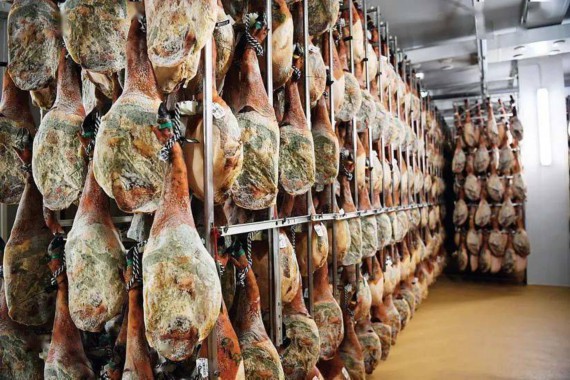
In the vast majority of cases, white fuzz on ham is a normal phenomenon and part of its lifecycle. Next time you encounter it, don’t panic! Observe carefully; as long as the color and smell are normal, it’s basically fine. After cleaning, you can slice and enjoy! Have you ever experienced something similar? How do you usually handle it? Feel free to share your experiences below!
