For friends new to Barcelona, aren’t you as curious and a bit…fearful…uncertain as I was when you see those whole legs of ham hanging around markets and on restaurant walls? They look dark and hard — can you really just slice and eat them directly? Are they too salty? Is it hygienic? Today, I’ll share my firsthand insights about Spain’s cultural treasure — the story behind eating Jamón raw!
Why can Spanish ham be eaten raw?
First, rest assured, this is definitely not what we imagine as “raw meat.” Spanish ham, especially the top-tier Iberian ham, undergoes a long and complex curing and drying process. Fresh hind legs of pork are salted at low temperatures, then naturally air-dried and aged in cellars for years. This process not only allows the flavors to mature and intensify, but more importantly, the reduction of moisture and the salt’s effect eliminate any surviving microbes. So Spanish Barcelona ham is a fermented and matured meat product, much like our Jinhua ham or Xuanwei ham, perfectly safe to eat!
Beginner’s guide to the two main types of ham
In Spain, hams mainly fall into two camps—understanding which one you prefer is half the battle, making ordering or buying completely hassle-free. Simply put, it’s the difference between “black pigs” and “white pigs.”
| Feature | Jamón Ibérico | Jamón Serrano |
|---|
| Pig breed | Iberian black-hoofed pig | Common white pig |
| Feeding | Acorns, free-range natural pastures | Grain-fed, farm-raised |
| Flavor | Rich fat, nutty aroma, melts in your mouth | Leaner texture, firmer meat, straightforward saltiness |
| Price | Expensive | Affordable |
In short: if budget is no concern and you seek an exquisite experience, go straight for Ibérico de Bellota; for everyday cravings or cooking, Serrano offers great value.
Where to eat/buy ham in Barcelona?
For tourists, the most iconic spot is naturally the Spanish Ham Barcelona La Boqueria market! Countless stalls display all sorts of ham legs—an impressive sight. You can buy a small freshly sliced pack to nibble on while strolling and soak up the vibe.
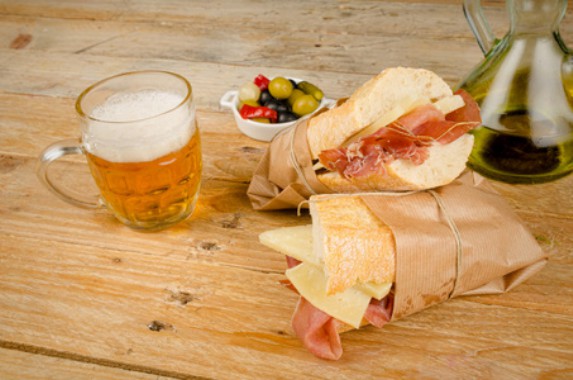
However, if you want higher quality or whole legs, I recommend visiting specialized ham shops. The experts there can recommend based on your taste preferences. One pitfall tip: avoid buying from tourist-focused shops on La Rambla—they are overpriced and often mediocre in quality. Instead, check out small alleys in the Gothic Quarter or the Eixample district where hidden gems often await.
Finally, some tasting tips. When eating Iberian ham, always include the shimmering translucent fat — that’s where the essence lies! Its fat is rich in unsaturated fatty acids, beneficial for cardiovascular health, earning it the nickname “walking olive tree.” The most authentic way is pairing it with a toasted slice of bread or a glass of red wine. In summer, pairing with melon is a heavenly combo.
Not tasting authentic raw ham in Spain is truly a missed opportunity. Let’s share your recommendations for hidden gem ham spots in Barcelona! Join the conversation in the comment section and help build the list!
